Fireplace Insert Repair Post Falls, Idaho — FireFix
!Fireplace insert installation
- +1 (208) 668-8111
- Post Falls, Idaho
- Troubleshoot-first diagnosis
There's a good chance the "fireplace" in your living room isn't really a fireplace — it's a fireplace insert. A sealed unit that sits inside the fireplace opening, an insert is what actually heats the room, whether it burns wood, pellets, or gas. And like any heating appliance that works a six-month North Idaho season, inserts develop their own failure patterns: dead igniters, weak thermopiles, dirty glass, underperforming blowers, and liners that need attention.
FireFix repairs and installs fireplace inserts throughout Post Falls, Idaho — wood inserts, gas inserts, and pellet inserts alike. We also do full insert installations, converting a drafty open fireplace into a real heat source. If your insert isn't heating like it should, call +1 (208) 668-8111.
Gas Insert Repairs
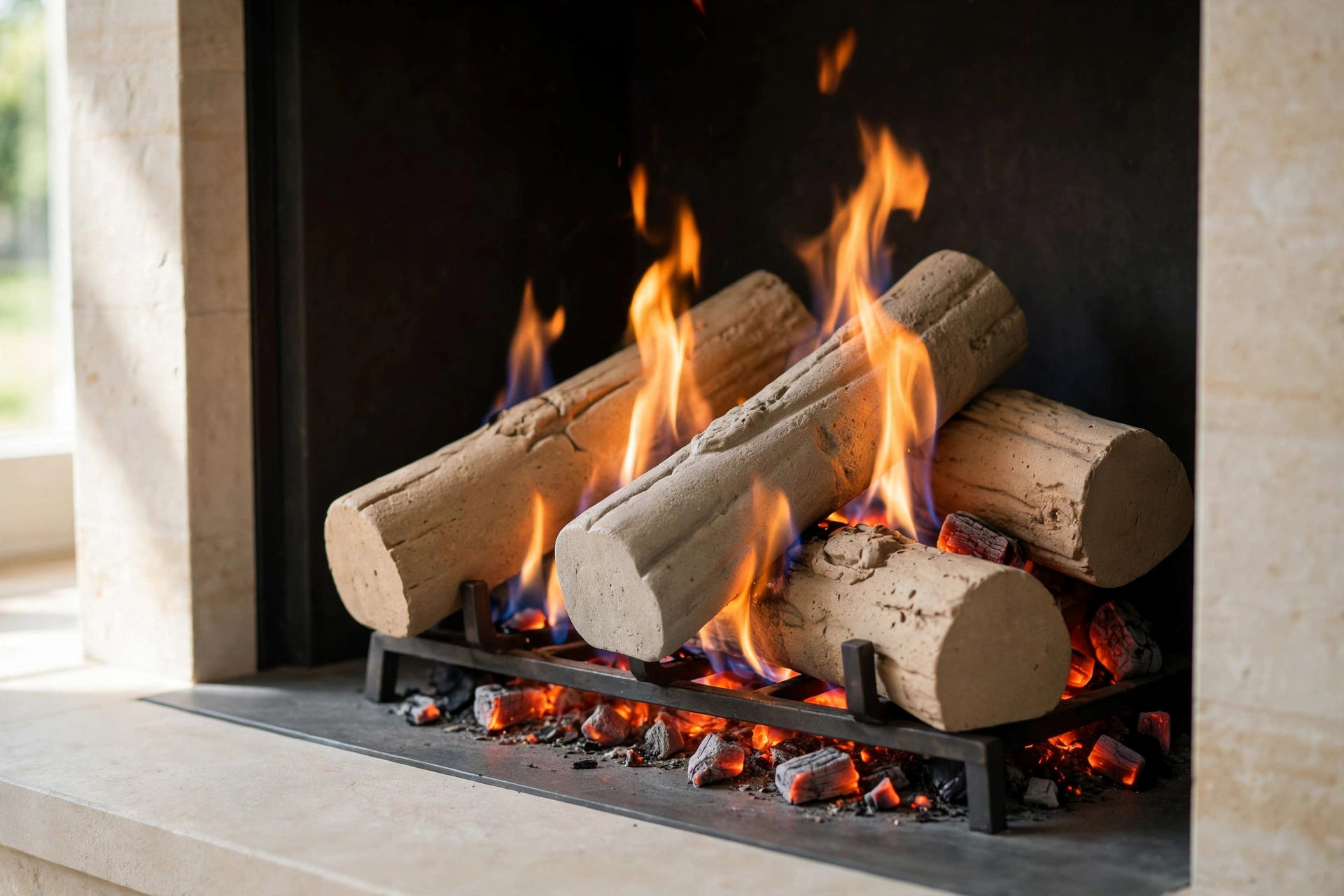
Gas inserts are the workhorse in Post Falls' newer homes, and their failure modes mirror gas fireplaces generally: pilots that won't stay lit, thermocouples and thermopiles that weaken over summer, and wall switches or remotes that stop responding. Because an insert is a sealed unit behind glass, two problems show up more than in open gas fireplaces: glass that fogs or soots, and blowers that rattle, quit, or never kick on.
Fogging and blackened glass usually trace back to combustion air problems — logs out of position, a restricted vent termination, or weak draft — and wiping the glass without fixing the cause guarantees it'll be black again in a week. Blower issues are common once inserts age past ten years: bearings wear, thermoswitches fail, and dust clogs the wheel. We test the full sequence — ignition, flame, fan-on temperature, shutoff — so the insert doesn't just light, it actually moves heat into the room. If the problem turns out to be in a gas log set rather than a sealed insert, see our gas log installation and repair page — the parts look similar but the service is different.
Wood and Pellet Insert Repairs
Wood inserts fail at the seals and the venting. The door gasket is the single most important wear part on a wood insert: when it hardens or crumbles, the insert pulls excess air, burns too fast, and sends most of its heat up the chimney. Glass cracks from impact or thermal shock, air-wash systems clog, and catalytic combustors — the honeycomb units that make modern wood inserts efficient — wear out after several seasons of heavy use and need replacement to keep the insert burning clean.
Pellet inserts add moving parts to the list: igniters that burn out, auger motors that seize, and ash that clogs venting and sensors. North Idaho's wood culture means pellet and wood inserts see real hours here — a January of daily burns will find every weak seal and worn part. We service gaskets, glass, combustors, igniters, augers, and venting, and we check the chimney liner behind the insert, because an insert is only as good as the flue it exhausts through. Heavy wood users should also see our wood fireplace repair page for creosote and draft guidance.
Full Insert Installation: Turning a Drafty Fireplace Into Heat
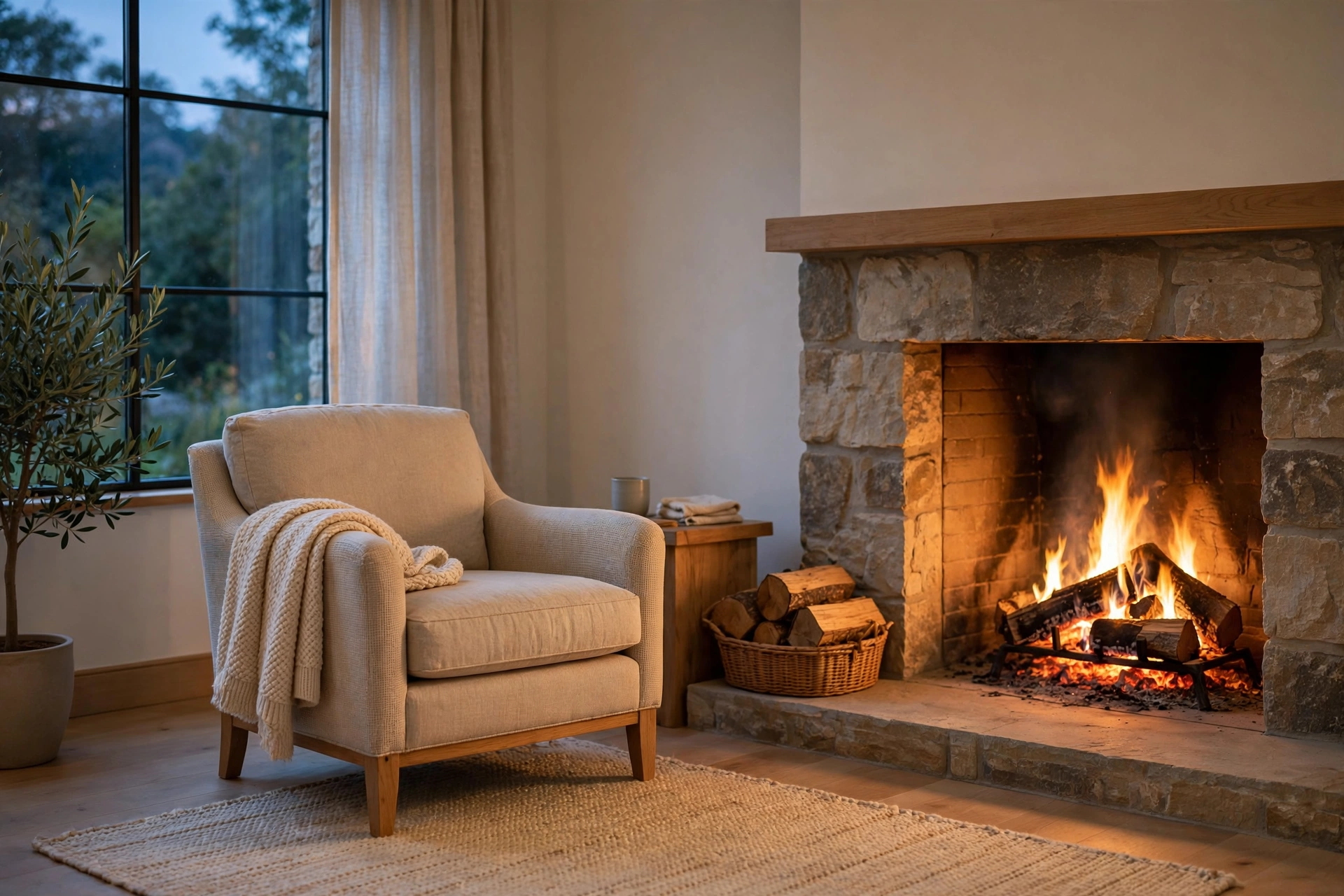
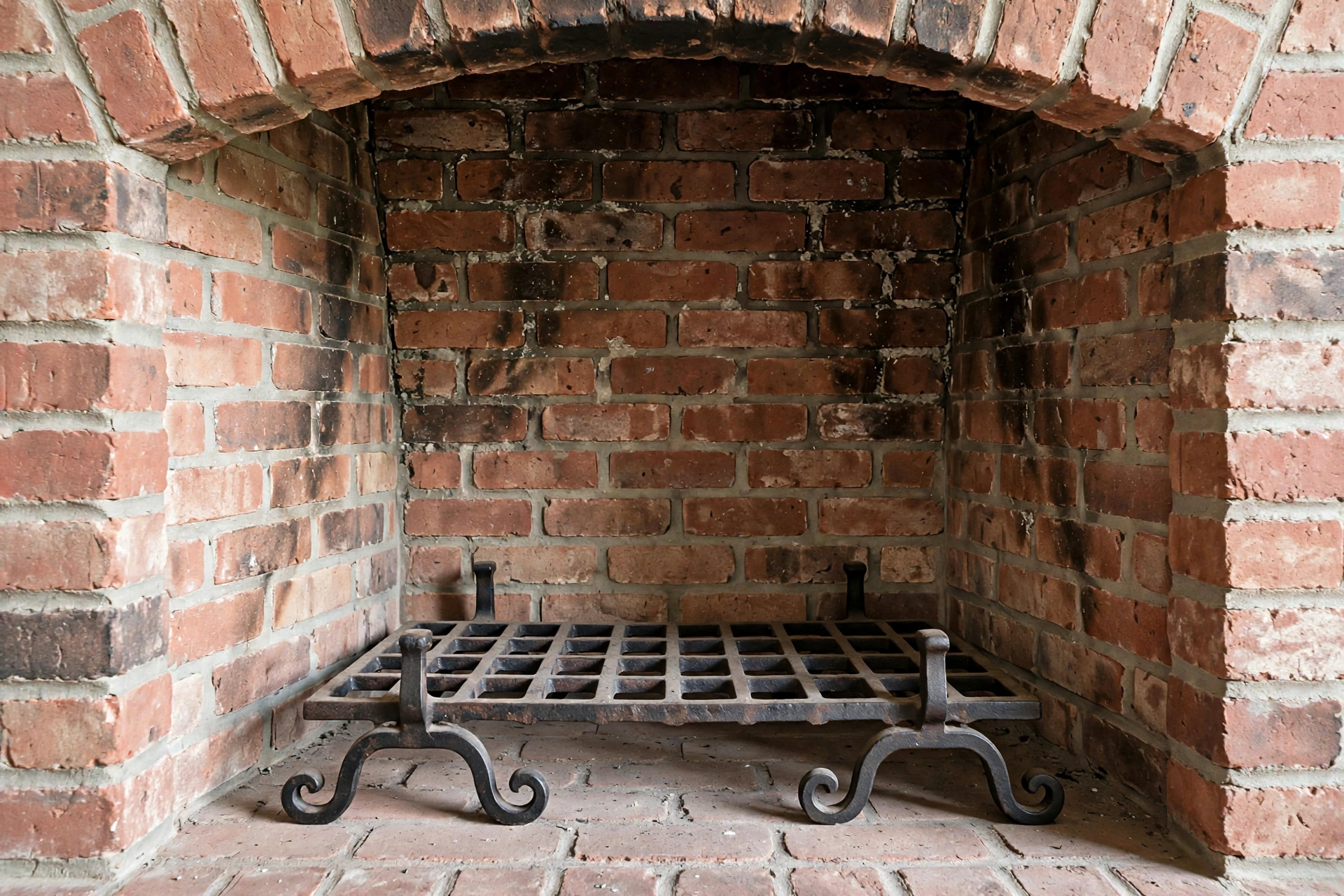
An open masonry fireplace is mostly decorative — the majority of the heat it makes goes up the chimney, and when it's not in use the open flue is a constant cold draft. A full insert installation seals that opening with an efficient heating appliance, turning the fireplace into a genuine heat source for the room.
The process starts with sizing. An insert that's too small won't heat the space; one that's too large will smolder at low settings and coat everything with creosote. We size based on the room's volume, insulation, and how you use the space — supplemental evening heat is a different calculation than whole-house reliance. Next comes the liner: every insert needs a properly sized, continuous flue liner run up the existing chimney (stainless for wood, direct-vent coaxial for gas). The liner is the part most installations get wrong — an oversized old flue behind a new insert causes lazy draft and poor performance. Finally, we fit the insert, connect and test the fuel supply, seal the surround, and burn it in so you see it working before we leave.
Fireplace acting up? Talk to someone who fixes them every day.
Call +1 (208) 668-8111Sizing and Venting Basics
Sizing an insert is about matching output to the space, not buying the biggest box that fits the opening. Wood inserts are rated by heating area and burn time; gas inserts by BTU input and efficiency. Oversizing is the classic mistake — a huge insert throttled to low burn creates creosote and smokes, while a right-sized insert run properly stays clean.
Venting basics matter just as much. Wood and pellet inserts need a dedicated, correctly sized liner — never vent an insert into an unlined oversized chimney and expect it to draft. Gas direct-vent inserts use a sealed coaxial vent (exhaust out, combustion air in) that can run horizontally through a wall or up the existing flue chase.
More Fireplace Services
Frequently Asked Questions
What's the difference between a gas log set and a gas insert?
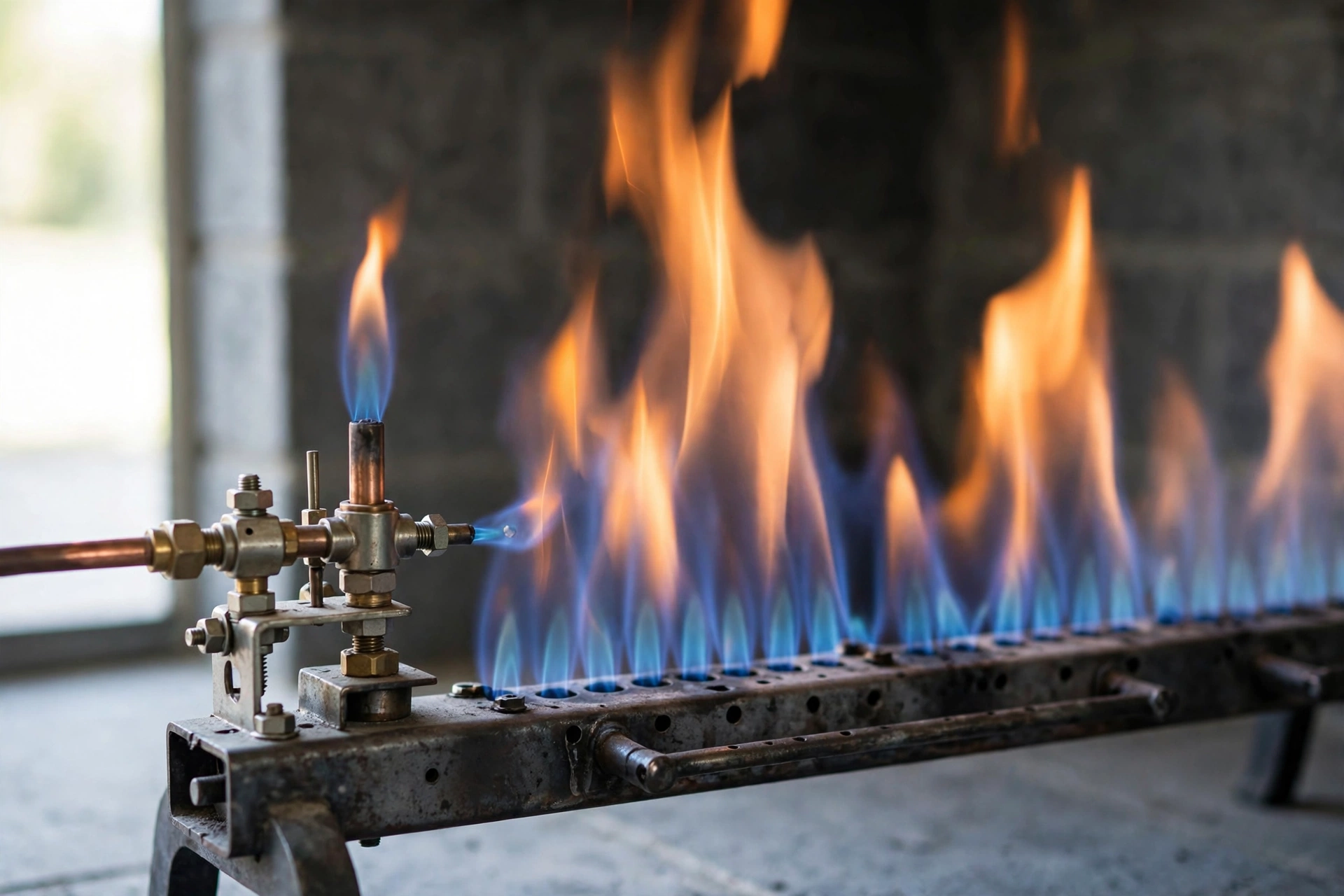
A gas log set is a burner with ceramic logs placed inside an existing open masonry fireplace. A gas insert is a sealed, self-contained unit (usually direct-vent) installed into the fireplace opening. They have different venting, efficiency, and repair needs — and very different heating output.
My insert's glass keeps turning black. Why?
Improper log placement, restricted airflow, or weak draft — on wood inserts, wet wood makes it worse. Cleaning the glass treats the symptom; the draft or combustion problem behind it is what needs fixing.
How do I know what size insert I need?
It depends on the room's volume, insulation, and how you use the heat. Supplemental evening warmth calls for a different size than daily whole-house heating. We size from the space, not from the fireplace opening — the biggest insert that fits is rarely the right one.
Do I need a new chimney liner for an insert?
Yes. Every insert needs a properly sized, continuous liner run up the existing chimney. Venting an insert into an old oversized flue without a liner is the leading cause of poor draft and fast creosote buildup.
My pellet insert's igniter keeps failing. Is that normal?
Igniters are a wear part — several seasons of daily use will burn them out. But repeated early failures point to ash-clogged venting, dirty sensors, or poor-quality pellets accelerating the wear. We check all three.
When should I schedule insert service in Post Falls?
September through October, before the heating season. Blowers, gaskets, igniters, and liners are all easier to service while the weather is mild — and you'll beat the October rush of startup failures.
A good insert should heat the room, not just look like it does. If yours is underperforming — or your open fireplace is just a cold hole in the wall six months a year — call FireFix at +1 (208) 668-8111.
Fireplace trouble? Call FireFix.
Fireplace repair, inspection, and maintenance across Post Falls, Idaho — diagnosed properly, explained plainly, fixed right.