Gas Log Installation Post Falls, Idaho — FireFix
!Gas log set burner
- +1 (208) 668-8111
- Post Falls, Idaho
- Troubleshoot-first diagnosis
A gas log set is one of the simplest upgrades a Post Falls homeowner can make: a burner and ceramic logs installed into an existing wood-burning fireplace, giving you a fire at the flip of a switch — no wood to haul, no ash to clean, no creosote in the flue. It's a common retrofit in the older masonry fireplaces of Post Falls City Center and Milltown, where the chimney is sound but the daily work of a wood fire has lost its appeal.
FireFix installs gas log sets throughout Post Falls, Idaho — vented and vent-free — and we repair and replace burners, logs, pilots, and controls on existing sets. If your wood fireplace mostly sits unused, or your current gas logs aren't performing, call +1 (208) 668-8111.
Vented vs. Vent-Free Log Sets
Vented log sets
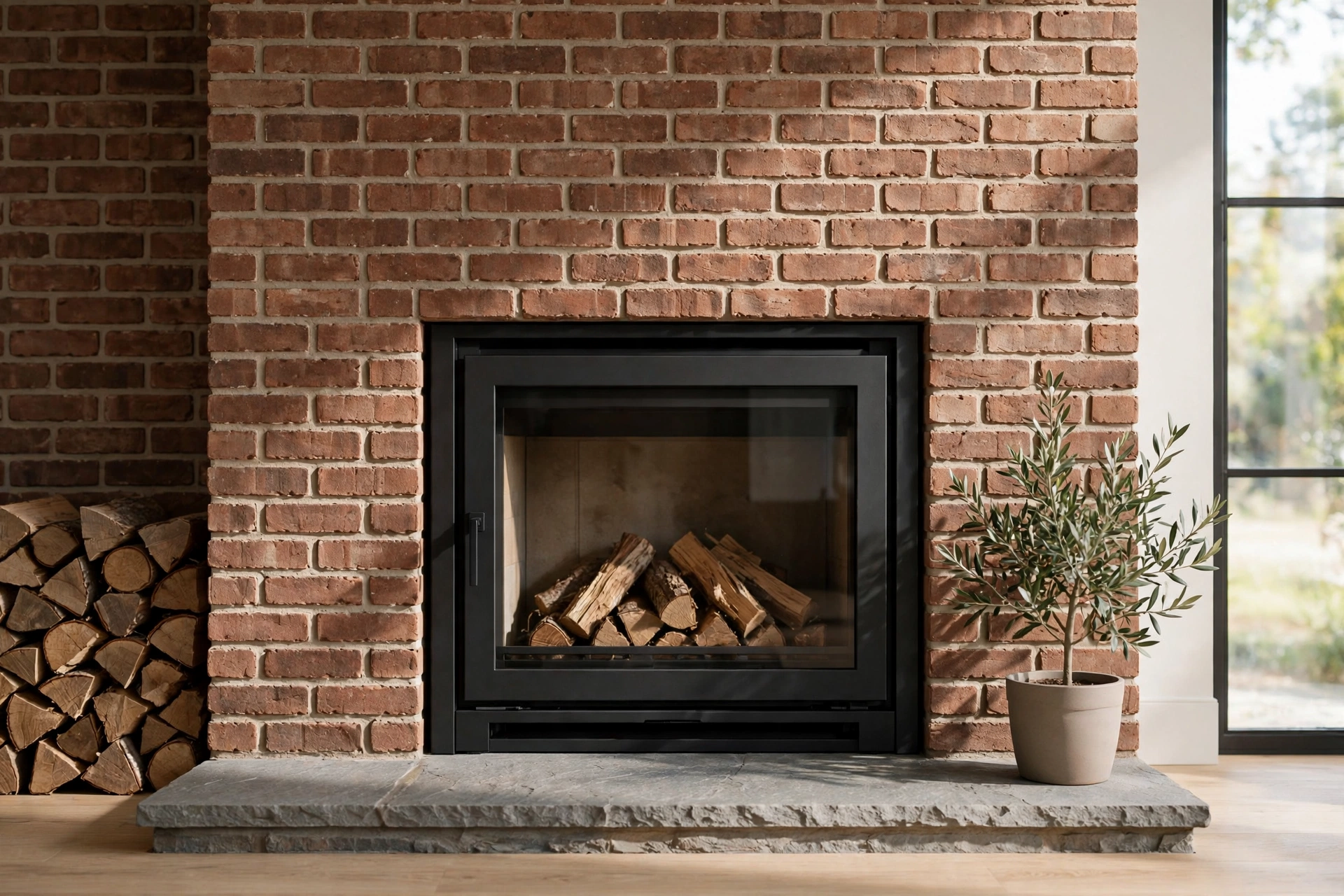
This is the first decision, and it changes everything about how the set looks and heats. Vented log sets burn with a big, realistic yellow flame — they look like a real wood fire — but the damper must stay open during use, which means most of the heat goes up the chimney. They're about ambiance first, heat second.
Vent-free log sets
Vent-free (ventless) log sets burn cleaner and hotter, with the damper closed, so nearly all the heat stays in the room. The tradeoff is a smaller, bluer flame that's less convincing as a "campfire," and they put moisture and trace combustion byproducts into the room air — which is why they come with oxygen-depletion sensors and strict sizing rules for the room. We help you choose based on what you actually want: if you want the look of a wood fire with gas convenience, vented is the answer; if you want real supplemental heat through a North Idaho winter, vent-free (or a full fireplace insert) makes more sense.
The Installation Process
A gas log installation starts with the fireplace itself. We confirm the firebox and chimney are sound — a log set in a fireplace with a cracked liner or failed damper is a problem waiting for winter — which is why we recommend an inspection first if the fireplace hasn't been checked in years. Next, we verify the gas supply: the line size, the shutoff location, and that pressure is adequate for the burner's rating.
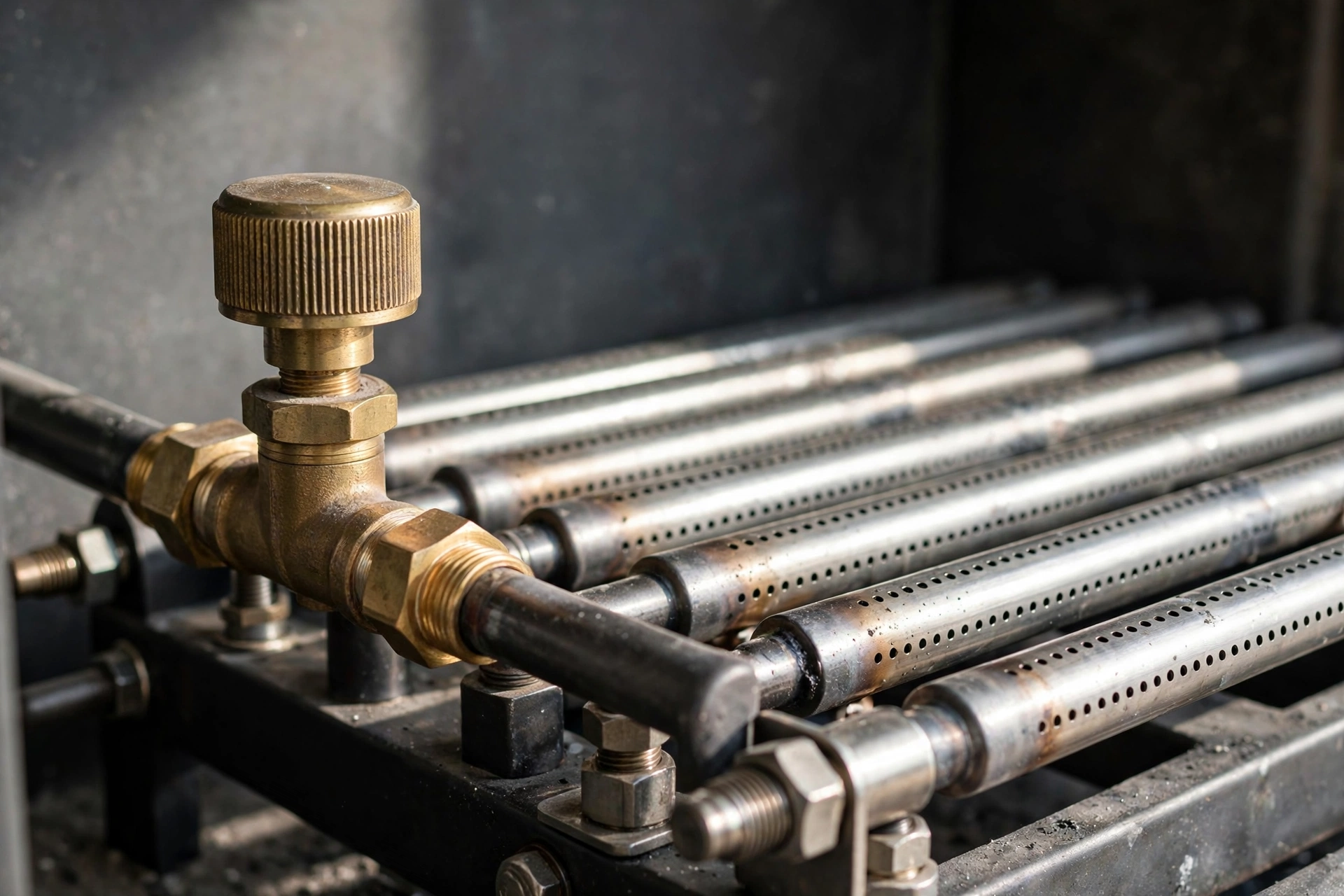
The burner pan is set and leveled in the firebox, the gas connection is made and leak-tested, and the ceramic logs are arranged to the manufacturer's exact layout — log placement isn't decorative. Logs sitting in the flame path cause sooting, lazy flames, and carbon monoxide concerns; logs placed correctly give a clean, even burn. We install the pilot assembly and controls, fire the set, and check flame pattern, ignition reliability, and shutoff. You see it working before we leave, and we walk you through operating it — including what the pilot should look like and when to call us back.
Burner and Log Replacement and Repair
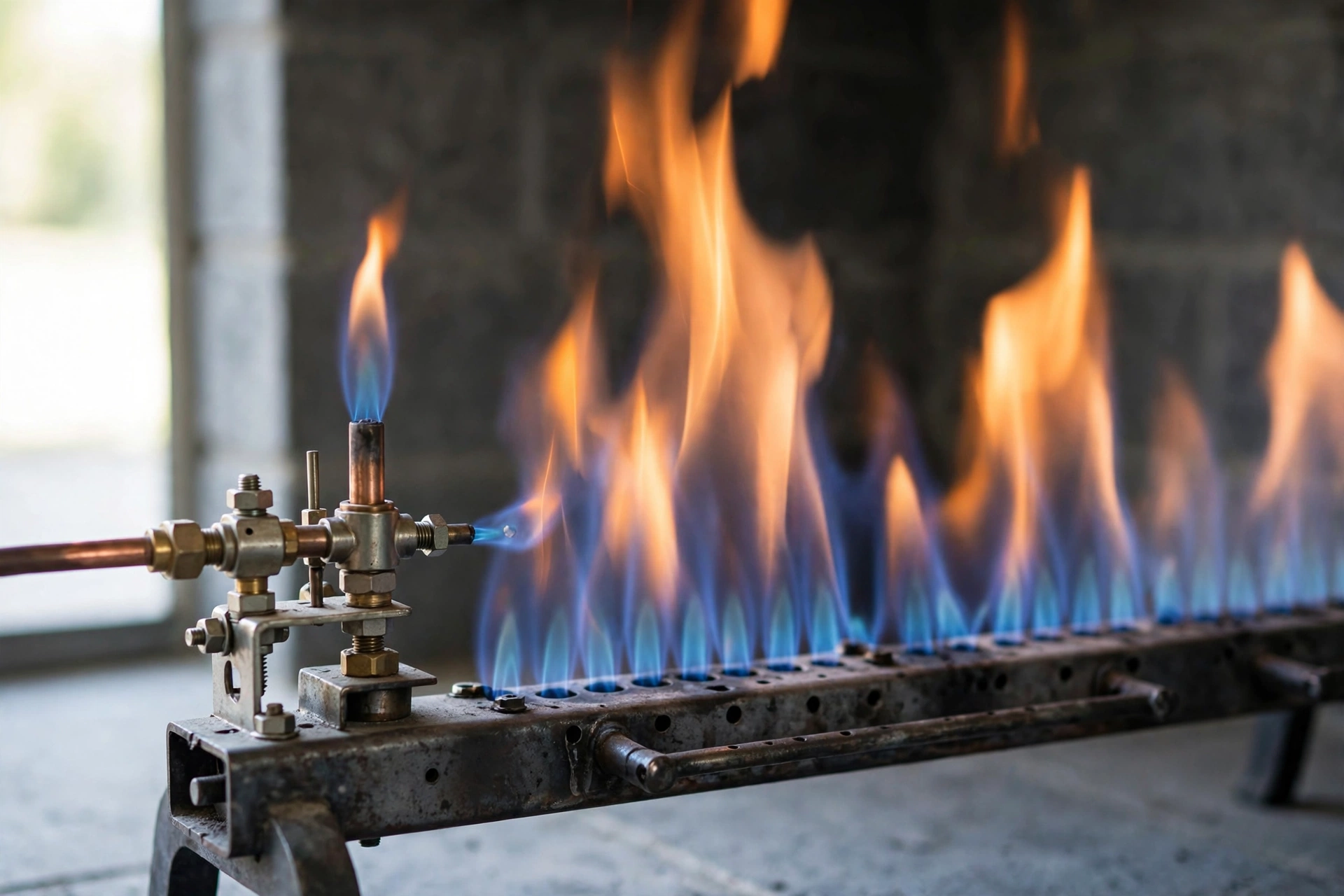
Gas log sets wear out in predictable ways. Burners corrode and their ports clog, especially in fireplaces that sit idle all summer collecting dust and moisture. Ceramic logs crack, crumble, or get misplaced during cleaning — and a cracked log in the wrong spot changes the flame pattern. Pilot assemblies on log sets fail the same way they do on gas fireplaces: weak thermocouples, clogged orifices, pilots that won't stay lit.
We replace burners, log sets, pilot assemblies, and valves on existing installations, and we correct log placement on sets that were installed casually and have sooted ever since. If your set is more than fifteen years old and needs a valve plus a burner plus new logs, we'll tell you honestly when a full replacement costs less than rebuilding the old one piece by piece. For sealed-unit problems rather than open log sets, see our gas fireplace repair page.
Fireplace acting up? Talk to someone who fixes them every day.
Call +1 (208) 668-8111Remotes, Wall Switches, and Control Options
How you turn the set on matters more than most people expect. The basic option is a manual on/off — simple, nothing to fail. A wall switch adds convenience at the hearthside. A handheld remote lets you run the fire from the couch, and thermostat remotes cycle the set to hold a room temperature, which is genuinely useful as supplemental heat in a North Idaho winter.
Each step up adds a failure point: remotes need batteries (which die over summer), receivers can lose pairing, and thermostat remotes need to be where they can sense room air. We install and troubleshoot all of these, and we'll match the control to how you actually use the fireplace — there's no point in a thermostat remote for a set you light twice a year for ambiance. Whatever the control, we test the full on/off cycle before we leave, and an annual fall tune-up keeps pilots, valves, and remotes working when the season starts.
More Fireplace Services
Frequently Asked Questions
What's the difference between a gas log set and a gas insert?
A gas log set is a burner with ceramic logs placed inside an existing open masonry fireplace. A gas insert is a sealed, self-contained unit (usually direct-vent) installed into the fireplace opening. They have different venting, efficiency, and repair needs — a log set is mostly ambiance, an insert is real heat.
Should I choose vented or vent-free logs?
Vented gives the most realistic flame but sends most heat up the chimney (damper stays open). Vent-free keeps the heat in the room but has a less realistic flame. Choose vented for looks, vent-free for warmth — or consider a gas insert if you want both.
Can gas logs go in my existing wood fireplace?
Usually yes, if the firebox and chimney are sound and the gas supply is adequate. That's why we check the fireplace's condition first — a log set can't fix a cracked liner or a failed damper, and installing one over hidden damage is asking for trouble.
Why are my gas logs turning black?
Sooting almost always means the logs are out of position and sitting in the flame path, or the burner ports are partially clogged. It's a placement or cleaning problem, not a "dirty gas" problem — and it needs correcting, because sooting signals poor combustion.
How do I know if I have a gas log set or a gas insert?
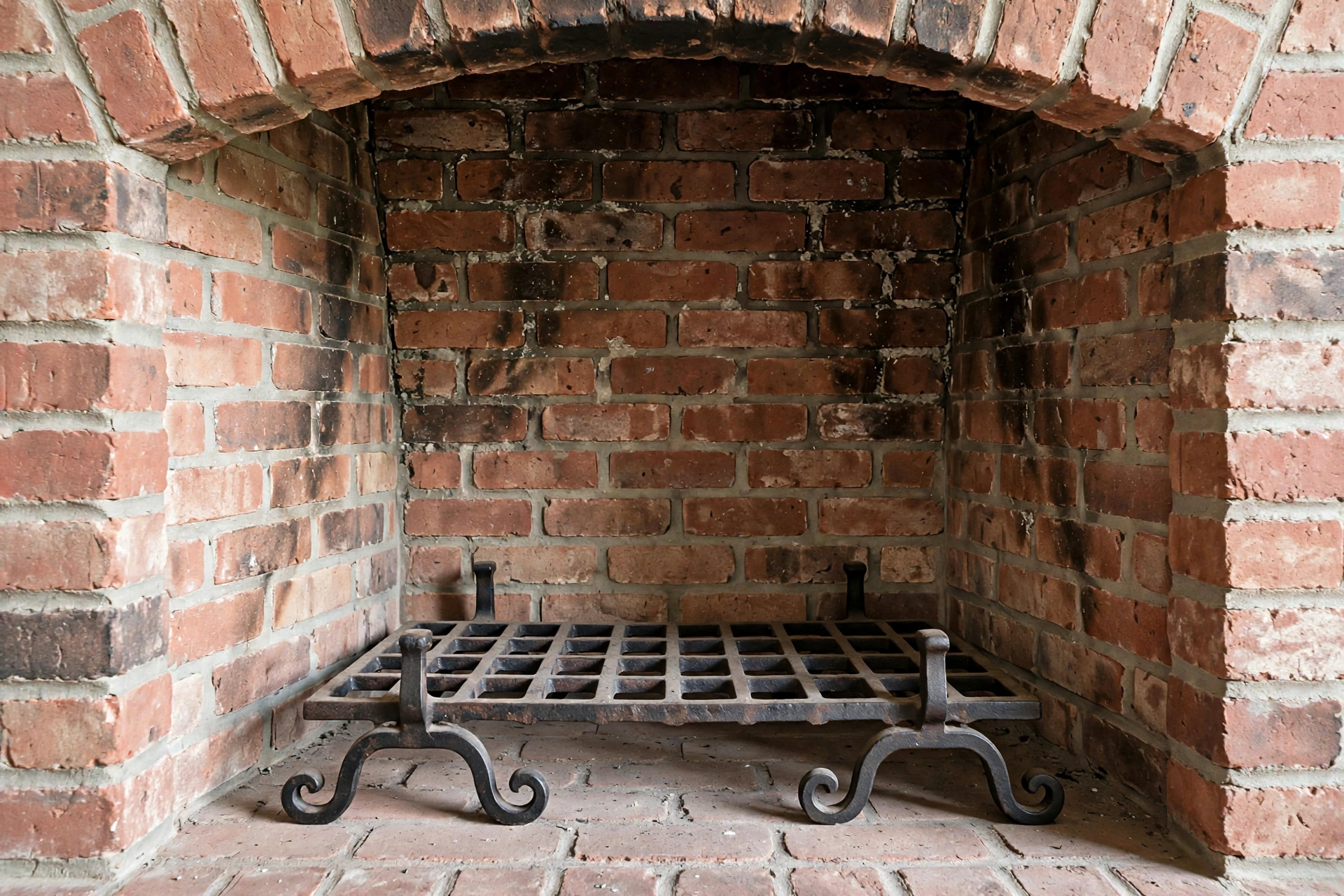
Open the fireplace: if you see a burner and loose ceramic logs in an open firebox, it's a log set. If there's a sealed glass front and a self-contained metal box, it's an insert. The repair and service needs are completely different, which is why it matters.
When's the best time to install gas logs in Post Falls?
Late summer through early fall — September and October. You'll have the set working before the heating season, and you'll beat the October rush of repair calls.
Stop hauling wood for a fireplace you barely use. Get gas convenience in the fireplace you already have — call FireFix at +1 (208) 668-8111.
Fireplace trouble? Call FireFix.
Fireplace repair, inspection, and maintenance across Post Falls, Idaho — diagnosed properly, explained plainly, fixed right.