Gas Fireplace Repair Post Falls, Idaho — FireFix
!Gas fireplace pilot assembly close-up
- +1 (208) 668-8111
- Post Falls, Idaho
- Troubleshoot-first diagnosis
October arrives in North Idaho, the first real cold snap hits, and you flip the wall switch on your gas fireplace — and nothing happens. Or the pilot lights, then goes out the moment you let go of the knob. In the post-2000 homes that dominate neighborhoods like North Prairie and Post Falls East, the culprit is almost always a few parts: the thermocouple, the thermopile, the pilot orifice, the gas valve, or the switch itself.
FireFix repairs gas direct-vent fireplaces and gas log sets throughout Post Falls, Idaho. Our approach is troubleshoot-first: we test voltage, gas supply, and venting before suggesting any replacement, so you pay for the fix you actually need. If your fireplace isn't ready for a six-month heating season, call +1 (208) 668-8111.
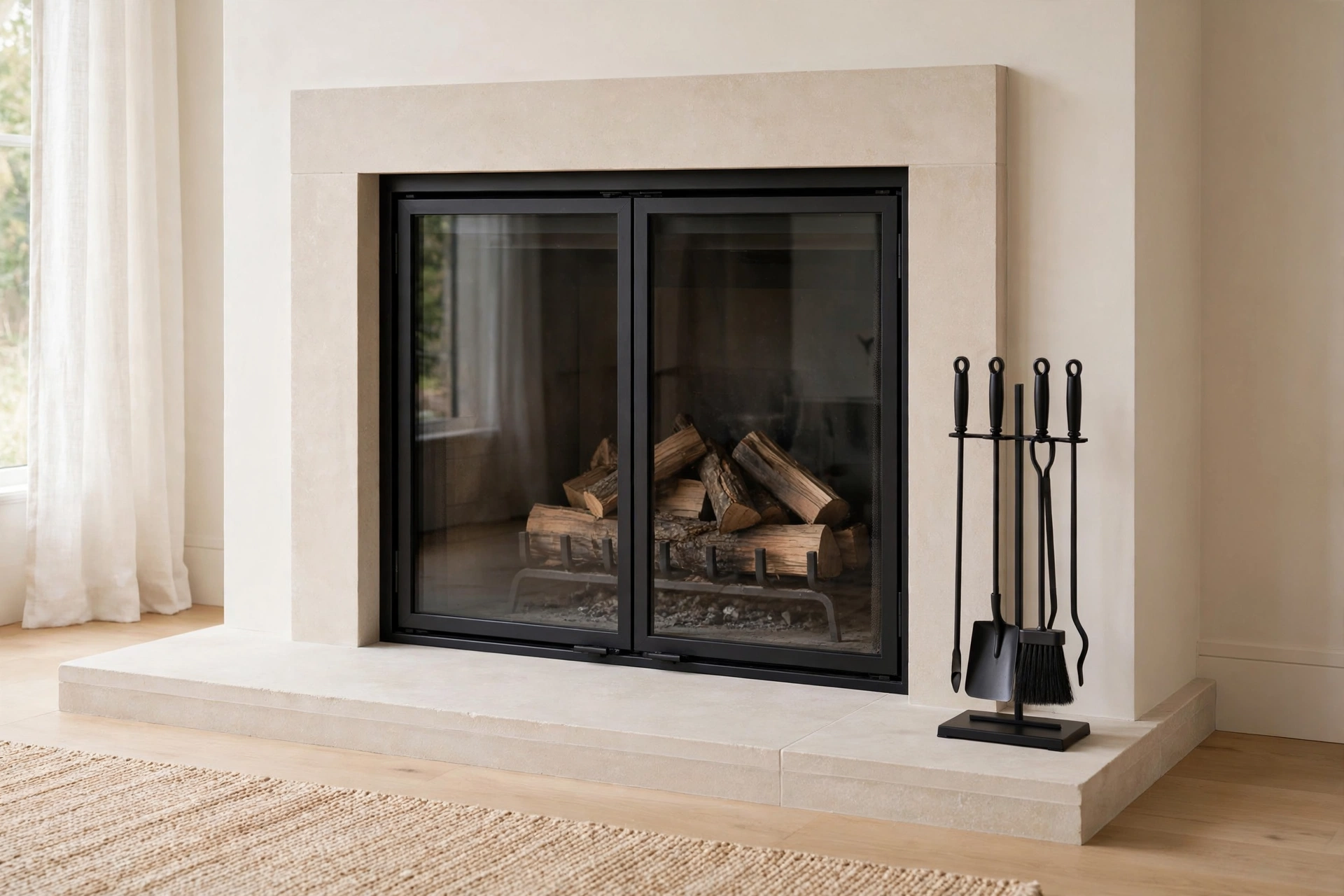
The Pilot Won't Stay Lit
"The pilot won't stay lit" is the number one gas fireplace call we get, and it spikes every October. After months of summer idleness, dust settles in the pilot tubing, spiders spin webs in the tiny orifice, and the thermocouple — the safety sensor that holds the gas valve open — weakens or gets coated in soot.
Common causes include a weak or dirty thermocouple, a clogged pilot orifice, a downdraft blowing the pilot out, or a thermopile that's no longer generating enough millivolts. The pattern tells us a lot: a pilot that won't light at all points to the orifice or gas supply; one that dies when you release the knob points to the thermocouple; one that fades after a few minutes points to the thermopile. We test each one in order instead of guessing, which is why most of these repairs come down to a cleaning or a single part. If your gas log set is giving you the same trouble, see our gas log set repair and installation page.
Ignition and Control Problems
Not every gas fireplace has a standing pilot. Newer units use electronic ignition — there is no pilot flame until you call for heat — and those fail differently. If yours clicks with no flame, the usual suspects are a failed igniter, a weak transformer or dead backup batteries, or a control board issue. If the pilot is lit but the fireplace still won't turn on, the thermopile often isn't generating enough power to open the main gas valve, or the wall switch, remote, or its batteries have failed.
Remote and wall-switch controls are frequent offenders. Batteries die over summer, receivers lose pairing, and thermostats misfire. Before any visit, check the obvious: fresh batteries in the remote and receiver, the wall switch toggled firmly on, and the fireplace's own knob turned fully to the correct position. These five-minute checks solve a surprising number of "dead fireplace" calls — and if they don't, the fault is in the valve or ignition system. A yearly fall tune-up catches most of these before the first cold snap.
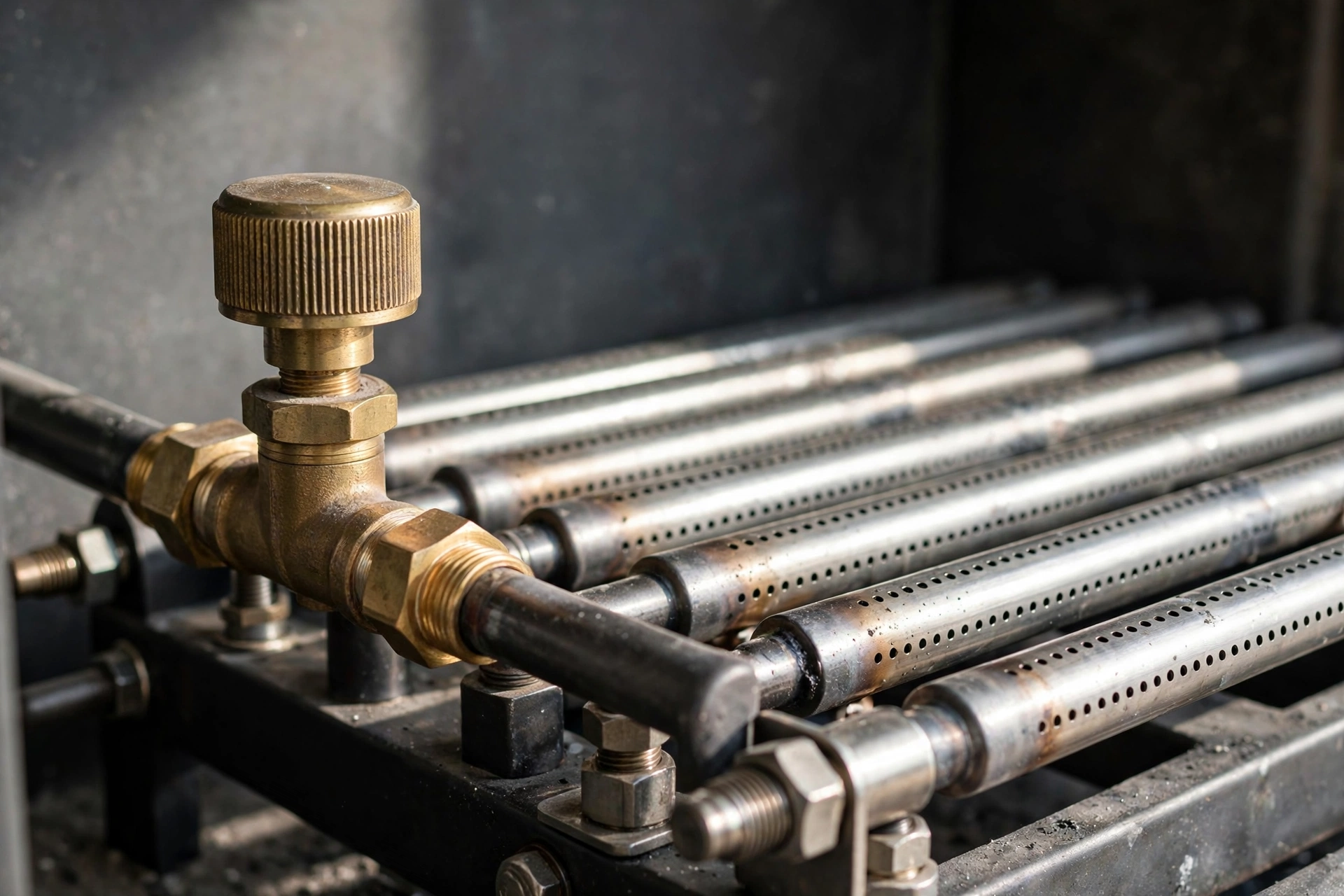
What a Service Visit Includes
A FireFix gas fireplace service visit is a full diagnostic, not a parts swap. We start by inspecting the pilot assembly, thermocouple, and thermopile, then test thermopile voltage with a meter — a weak reading tells us the part is dying before it strands you in January. We check the gas valve, verify gas pressure at the inlet, inspect the burner for clogged ports or displaced lava rock, and examine the venting for blockages or disconnections.
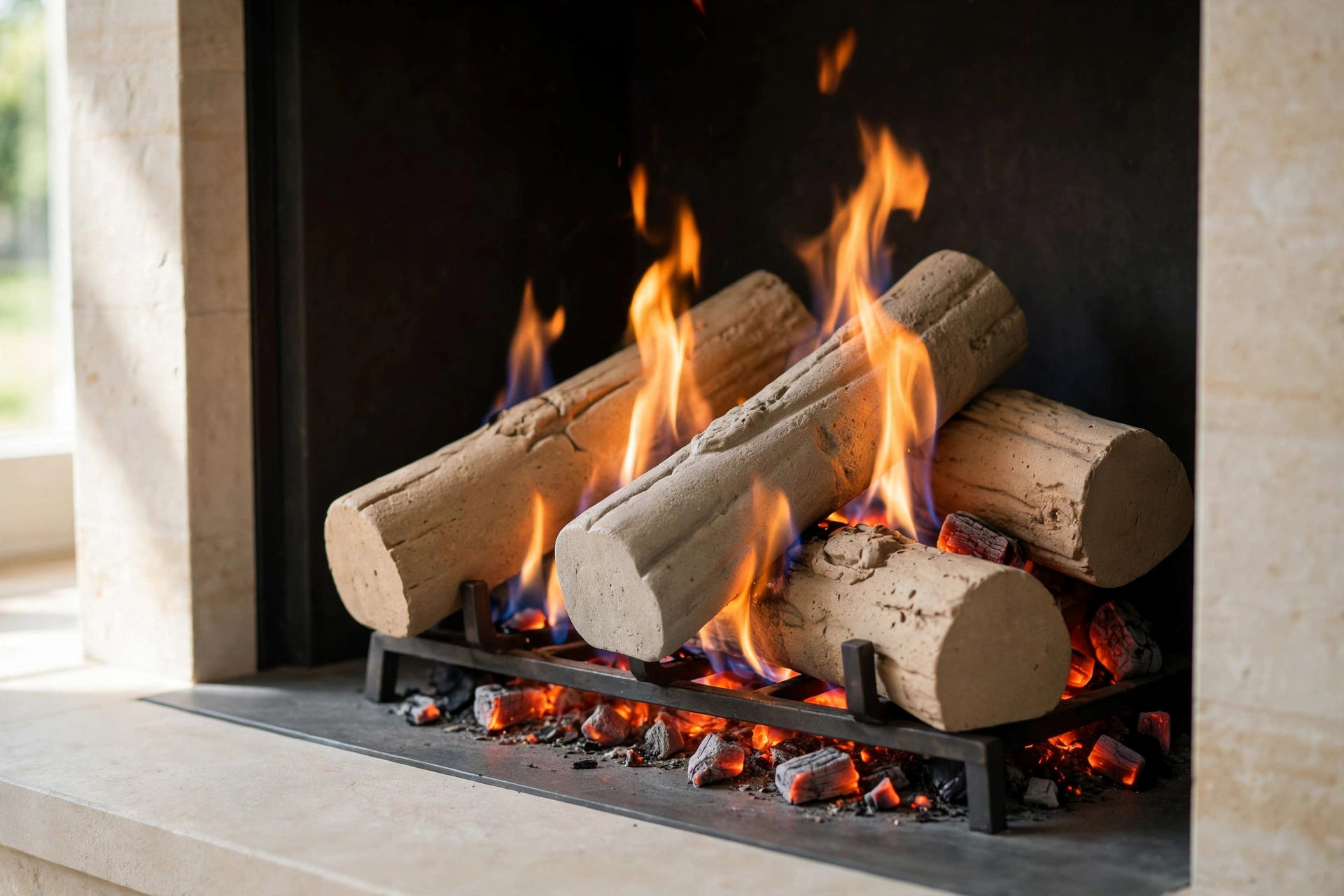
We also clean what cleaning can fix: the pilot orifice, the flame sensor, the glass, and the burner ports. We check the log placement against the manufacturer's layout, because logs pushed out of position are a leading cause of sooting and poor flame. Finally, we fire the unit and watch it run through a full cycle, confirming it lights, stays lit, and shuts off cleanly. You'll get a plain-English explanation of what failed and what we did — and if we find something that needs a safety-first follow-up, like a venting problem, we'll say so directly.
Fireplace acting up? Talk to someone who fixes them every day.
Call +1 (208) 668-8111Safe Homeowner Checks vs. When to Call
Safe homeowner checks
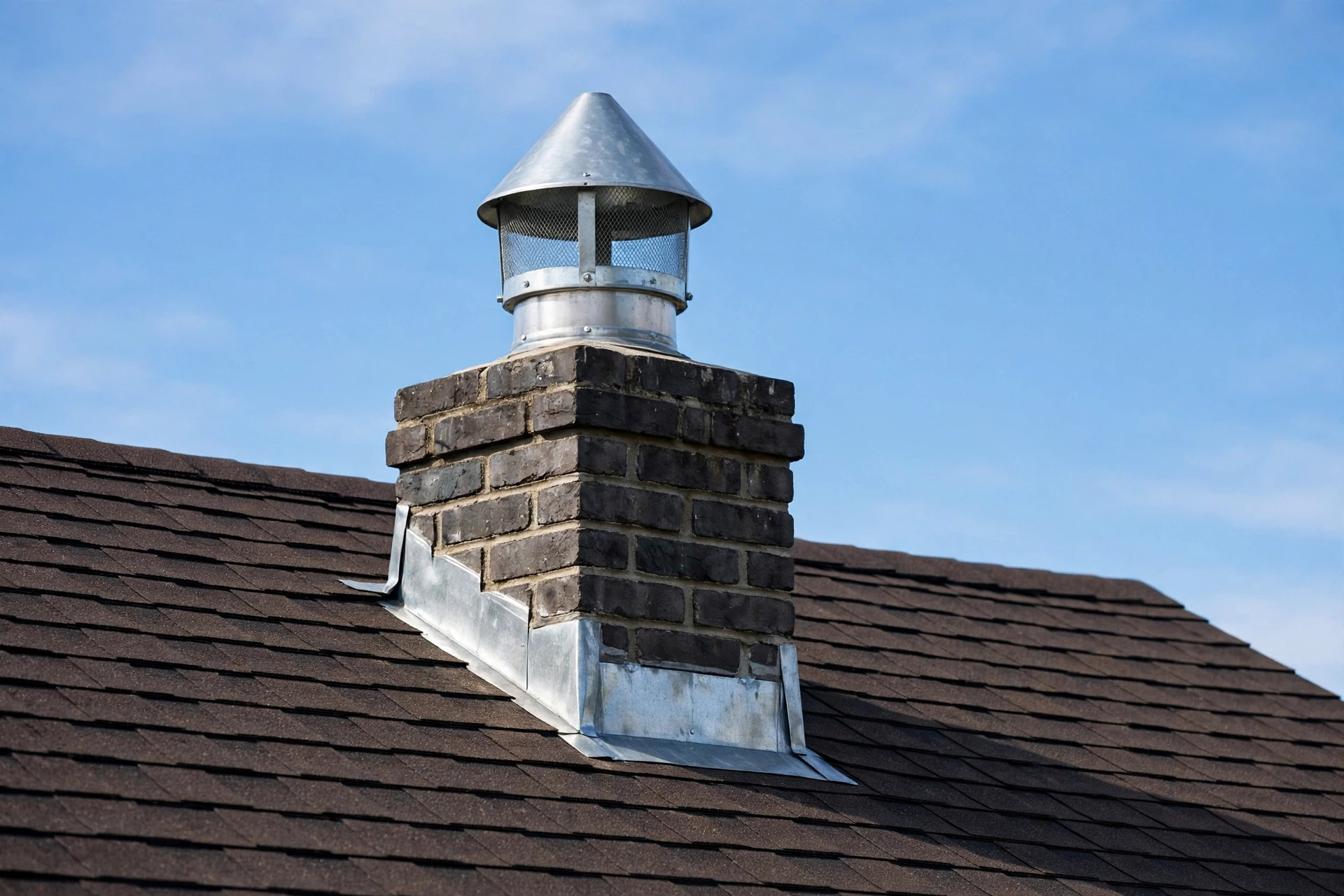
There are a few things every homeowner can safely do: replace remote and receiver batteries, confirm the gas shutoff valve to the fireplace is open, make sure the vent termination outside isn't blocked by snow or a wasp nest, and wipe down the glass exterior. A brief dusty smell the first time you fire up in fall is normal — it should fade within an hour or two.
When to call FireFix
Call for service when the pilot repeatedly won't stay lit, the fireplace shuts off on its own, you smell gas at any point, the glass keeps fogging or sooting up, or the unit won't respond to the switch at all. And if your fireplace hasn't been professionally inspected in over a year, fall is the right time — see our fireplace safety inspection page for what that covers.
More Fireplace Services
Frequently Asked Questions
Why won't my gas fireplace pilot stay lit?
The most common causes are a weak or dirty thermocouple — the safety sensor that keeps the gas valve open — a clogged pilot orifice, or a weak thermopile. Dust and spider webs from months of summer disuse are frequent culprits at season startup in North Idaho.
The pilot is lit but the fireplace won't turn on. Why?
Usually the thermopile isn't generating enough power to open the main gas valve, or the wall switch, remote batteries, or wiring has failed. The gas valve itself can also fail. We test the thermopile voltage first to see whether the part is weak or the problem is elsewhere.
It lights, then shuts off after a few minutes. What's happening?
That pattern points to the thermocouple cooling off, thermopile fade, or overheating from displaced logs or lava rock — it can also indicate a venting restriction. Because it involves the safety sensors, this one deserves a service visit rather than repeated relighting attempts.
Why does my fireplace smell when I first use it in the fall?
Usually dust burning off the burner and logs — it should fade within an hour or two. If you smell gas (rotten egg odor), turn the fireplace off, leave the house, and call your gas utility. A persistent smoke or chemical smell needs professional attention.
Should I leave my gas fireplace pilot on all winter?
Yes — continuous-pilot fireplaces are designed for it, and keeping it on helps prevent moisture buildup and keeps insects out of the pilot tubing. It does use a small amount of gas. If you have electronic ignition instead, there is no standing pilot at all.
When is the best time to schedule gas fireplace service in Post Falls?
September through October, before the heating season starts. You'll beat the fall rush of startup failures, and any repairs get done while the weather is still mild.
Gas fireplace trouble is at its worst right when you need the heat most. Get your fireplace diagnosed and running before deep winter — call FireFix at +1 (208) 668-8111.
Fireplace trouble? Call FireFix.
Fireplace repair, inspection, and maintenance across Post Falls, Idaho — diagnosed properly, explained plainly, fixed right.