Fireplace Safety Inspection Post Falls, Idaho — FireFix
!Chimney and fireplace safety check
- +1 (208) 668-8111
- Post Falls, Idaho
- Troubleshoot-first diagnosis
NFPA 211 — the national standard for chimneys, fireplaces, and vents — says every chimney, fireplace, and vent should be inspected at least once a year. In Post Falls, where the heating season runs roughly October through April and fireplaces work six months straight, that annual inspection is the single most important fireplace habit a homeowner can have. It catches creosote before it becomes a chimney fire risk, finds cracked crowns before freeze-thaw turns them into rebuilds, and confirms gas connections are sound.
FireFix performs fireplace safety inspections throughout Post Falls, Idaho — wood, gas, pellet, and inserts. We inspect to the NFPA 211 standard, explain what we find in plain English, and give you a written report with prioritized recommendations. Schedule yours for September or October, before the heating season starts: +1 (208) 668-8111.
What Gets Inspected
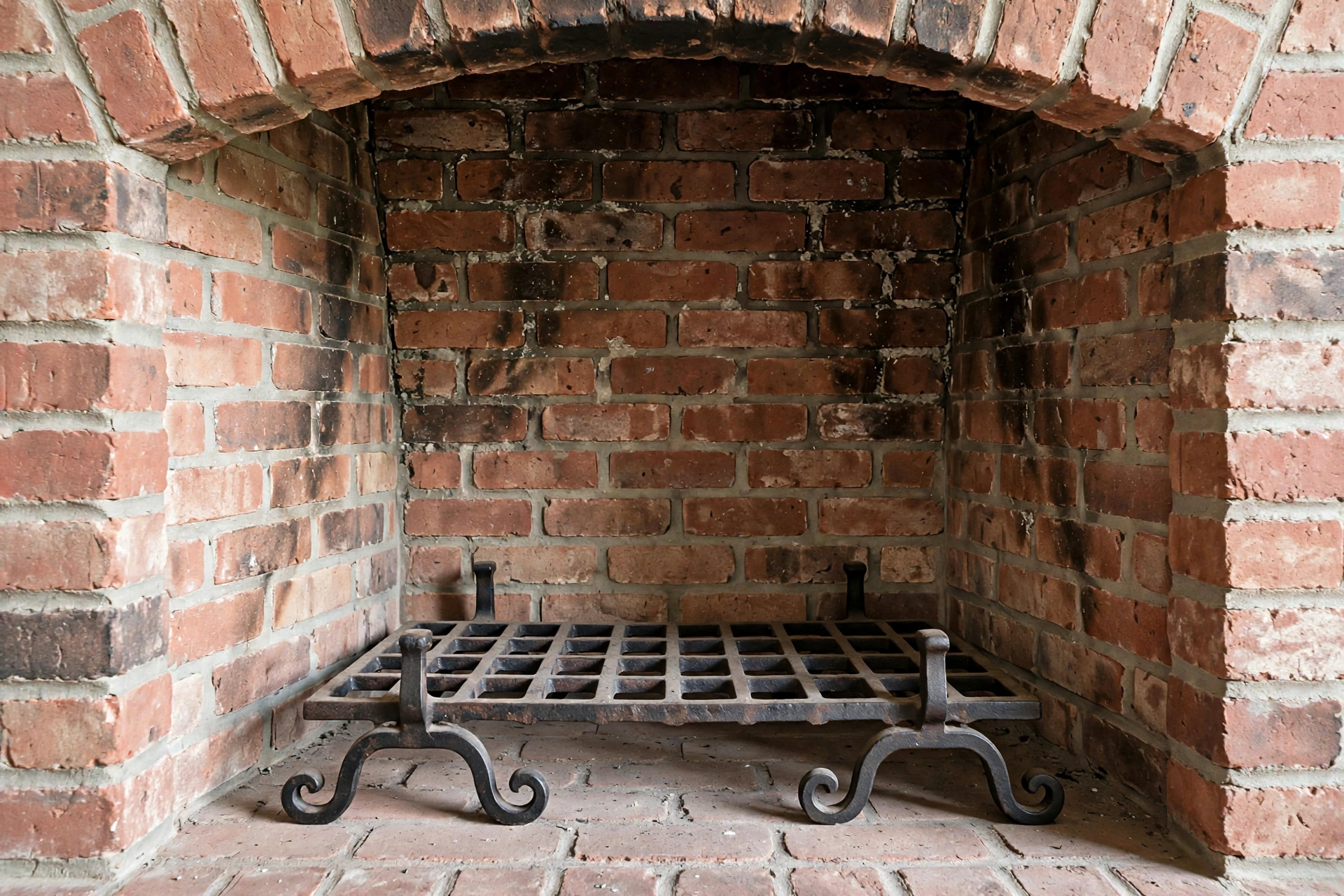
A proper inspection covers the whole system, not just the part you can see from the living room. We check the chimney structure from the ground and roofline — brick and mortar condition, crown, cap, and flashing. Inside, we examine the flue liner for cracks, gaps, and creosote buildup, measuring deposits against the 1/8-inch rule. The firebox gets checked for cracked brick and failed mortar joints. The damper is tested for operation.
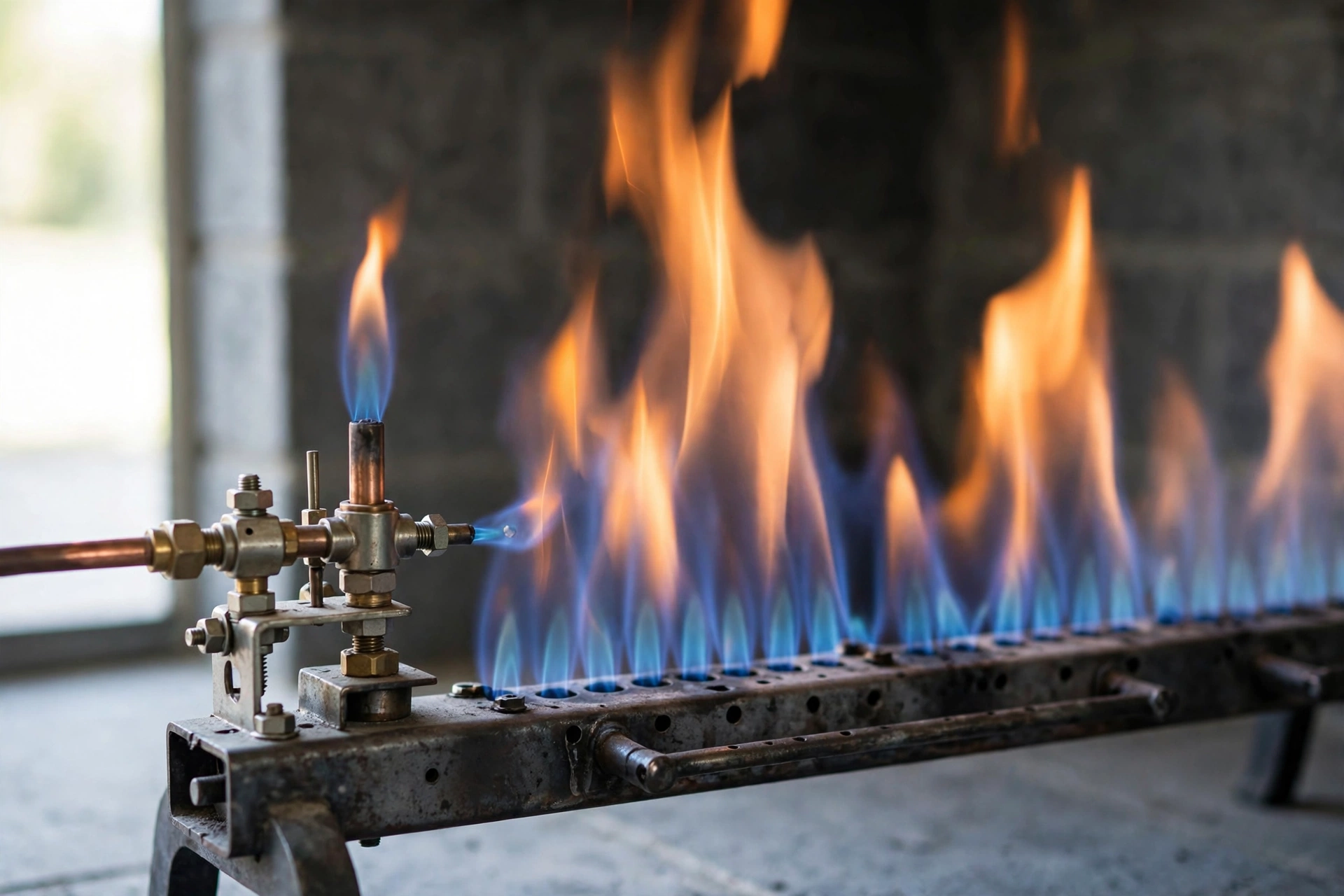
On gas units, we inspect the gas line connections, test the pilot and thermocouple/thermopile operation, check the gas valve, verify venting is connected and unobstructed, and confirm clearances to combustibles around the unit and vent. On wood units, we check the smoke chamber, look for signs of water entry (efflorescence, rust on the damper, damp odors), and note anything the freeze-thaw cycle has done since last season. It's a complete picture of whether your fireplace is safe to burn for another six months — which is exactly what the standard asks for.
NFPA 211 Inspection Levels, Explained Plainly
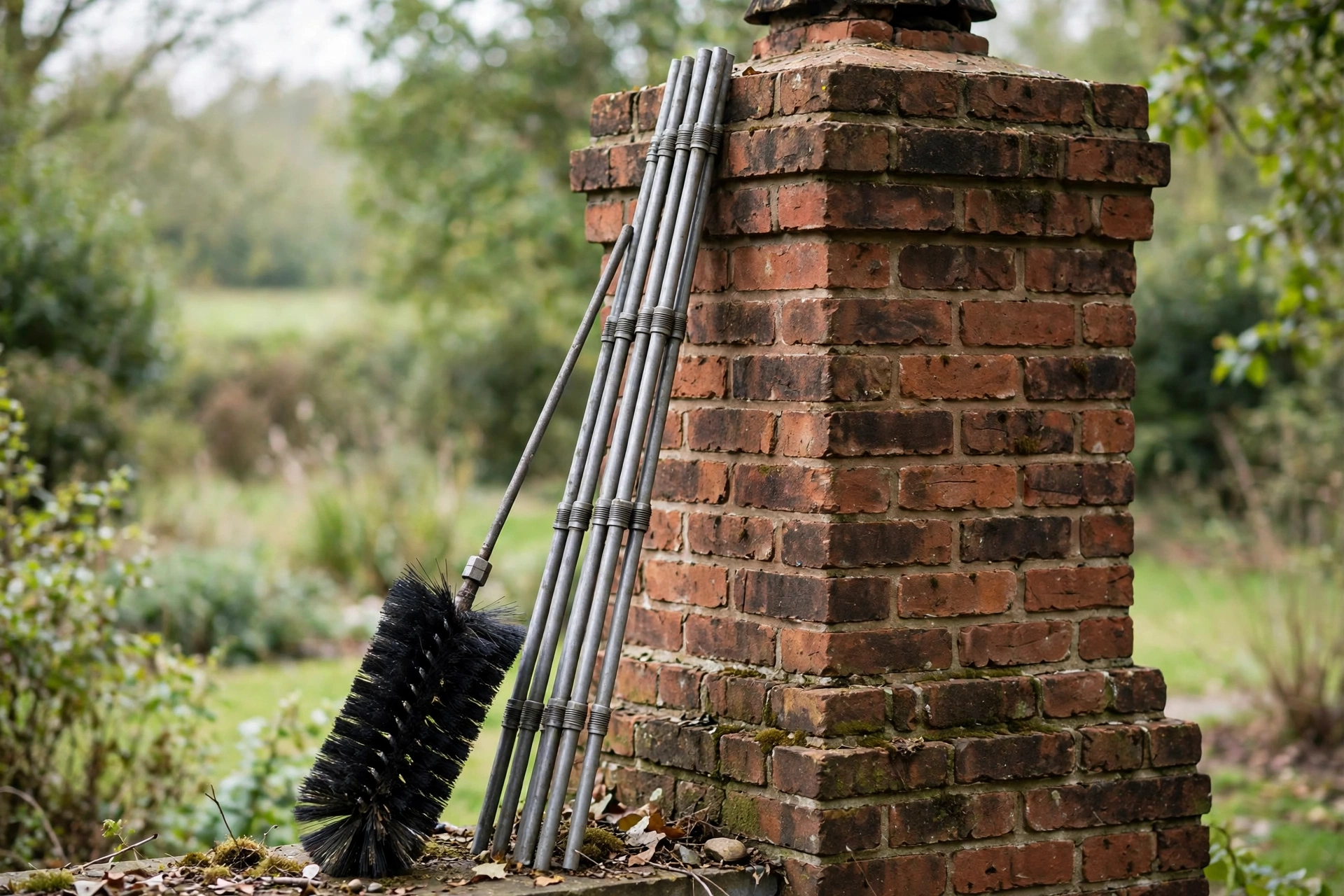
NFPA 211 defines three levels of inspection, and the difference matters when someone recommends one. A Level 1 inspection is the annual check: we examine all readily accessible parts of the chimney, fireplace, and vent — no tools beyond a flashlight and camera, no disassembly. This is what nearly every Post Falls homeowner needs every fall.
A Level 2 inspection goes deeper and is required when something changes: a new appliance is installed, you switch fuel types, the chimney has had a fire or weather damage, or you're buying or selling the home. It includes everything in Level 1 plus inspection of accessible attics, basements, and crawl spaces, and often a video scan of the flue interior so we can see the liner's full condition.
A Level 3 inspection is the most thorough — used when a Level 1 or 2 finds a serious problem whose full extent can't be seen, like suspected hidden damage behind the firebox. It can involve removing parts of the structure to get access. Most homeowners will never need Level 3; knowing the levels exist helps you understand what you're being sold and why. For routine fall service, Level 1 is the standard — and it's what we recommend annually.
Why Fall Timing Matters
September through October is the inspection window in North Idaho for three reasons. First, you're checking the system before you depend on it — finding a blocked flue or failed gas valve in October beats finding it during a January cold snap. Second, if the inspection finds masonry problems, mortar and crown repairs need temperatures above about 40–50°F to cure properly; a repair done in September enters winter hardened, while a repair done in December risks failing in the first freeze-thaw cycle.
Third, you beat the rush. October and November bring the year's biggest wave of startup-failure calls — dead pilots, weak thermopiles, dust burn-off confusion — and scheduling gets harder the later you wait. An inspection paired with a fall tune-up in September is the efficient move: one visit, system checked, fireplace ready, winter handled.
Fireplace acting up? Talk to someone who fixes them every day.
Call +1 (208) 668-8111What Happens After: Report and Recommendations
You get a written report, not a verbal shrug. It documents what we inspected, what we found, and what we recommend — prioritized by safety, not by salesmanship. Safety-critical findings (a cracked liner, a disconnected vent, a failed gas valve) are flagged clearly with plain-English explanations of why they matter. Maintenance items (creosote approaching the threshold, a crown with hairline cracks, a damper starting to rust) are noted with a sensible timeline.
We don't do scare tactics and we don't invent urgency. If everything is sound, the report says so, and we'll see you next fall. If something needs repair, you'll know exactly what it is, why it matters, and whether it's a before-winter fix or a watch item. From there, our gas fireplace repair, wood fireplace repair, and insert repair services handle whatever the inspection turns up.
More Fireplace Services
Frequently Asked Questions
How often should I have my chimney inspected?
At least once a year, per NFPA 211 — chimneys, fireplaces, and vents should be inspected annually for soundness, freedom from deposits, and correct clearances. Fall, before the heating season, is the practical time in North Idaho.
What's the difference between a Level 1 and Level 2 inspection?
Level 1 is the annual visual check of all readily accessible parts — what most homeowners need every fall. Level 2 goes deeper (including a flue video scan) and is required when something changes: a new appliance, a fuel switch, chimney fire or weather damage, or a home sale.
Is an inspection the same as a chimney sweep?
No. An inspection evaluates the condition of the whole system; a sweep removes creosote and soot. They often happen on the same visit, but they're different services — an inspection can find problems no sweep would fix, like a cracked liner or failed flashing.
When is the best time to schedule a fireplace inspection in Post Falls?
September through October. You'll beat the fall rush, find problems before you depend on the fireplace, and any masonry repairs get done while temperatures are still warm enough for mortar to cure.
Do gas fireplaces need inspections too?
Yes. Gas units don't make creosote, but they have gas connections, valves, pilots, and venting that age and fail — and venting problems on a gas unit are a carbon monoxide risk. NFPA 211's annual rule covers all fuel types.
We just bought a house with a fireplace. What should we do?
Schedule a Level 2 inspection before you burn. A flue video scan shows the liner's real condition, and you'll start your ownership knowing exactly what you have — especially important with older masonry fireplaces in Post Falls City Center and Milltown.
Winter is coming whether your fireplace is ready or not. Make sure it's ready — call FireFix at +1 (208) 668-8111 to schedule your fall inspection.
Fireplace trouble? Call FireFix.
Fireplace repair, inspection, and maintenance across Post Falls, Idaho — diagnosed properly, explained plainly, fixed right.