Wood Fireplace Repair Post Falls, Idaho — FireFix
!Masonry chimney inspection
- +1 (208) 668-8111
- Post Falls, Idaho
- Troubleshoot-first diagnosis
The older cottages and ranch homes of Post Falls City Center and Milltown carry original wood-burning masonry fireplaces — and many of them have been burning through North Idaho winters for decades. That kind of history shows up as sticky dampers, crumbling firebox mortar, smoke that rolls back into the room instead of rising up the flue, and chimneys that have weathered years of freeze-thaw cycles.
FireFix repairs wood-burning fireplaces throughout Post Falls, Idaho — dampers, fireboxes, smoke chambers, draft problems, and chimney caps — plus the creosote sweeping and masonry work that keeps them burning safely. If your wood fireplace smokes, drafts poorly, or just looks tired, call +1 (208) 668-8111 and we'll take a look.
Damper Repair and Replacement
The damper is the metal plate at the top of the firebox that opens to let smoke out and closes to keep warm air in. After decades of heat cycles and creosote buildup, dampers warp, rust, or seize — a rusted damper stuck open is the reason many older fireplaces feel like they vent the whole room's heat straight up the chimney.
Signs of damper trouble include a fireplace that smokes on every startup, a damper handle that won't budge, a rattling noise on windy days, or a cold draft pouring down the flue when the fireplace isn't in use. We service both traditional throat dampers inside the firebox and top-sealing dampers that sit at the chimney crown — the top-sealing style also doubles as a rain cap, which matters in a climate that gets 25 inches of precipitation a year. When a throat damper is too far gone, we can replace it rather than forcing you to live with a fireplace that can't hold its draft.
Firebox and Mortar Repointing
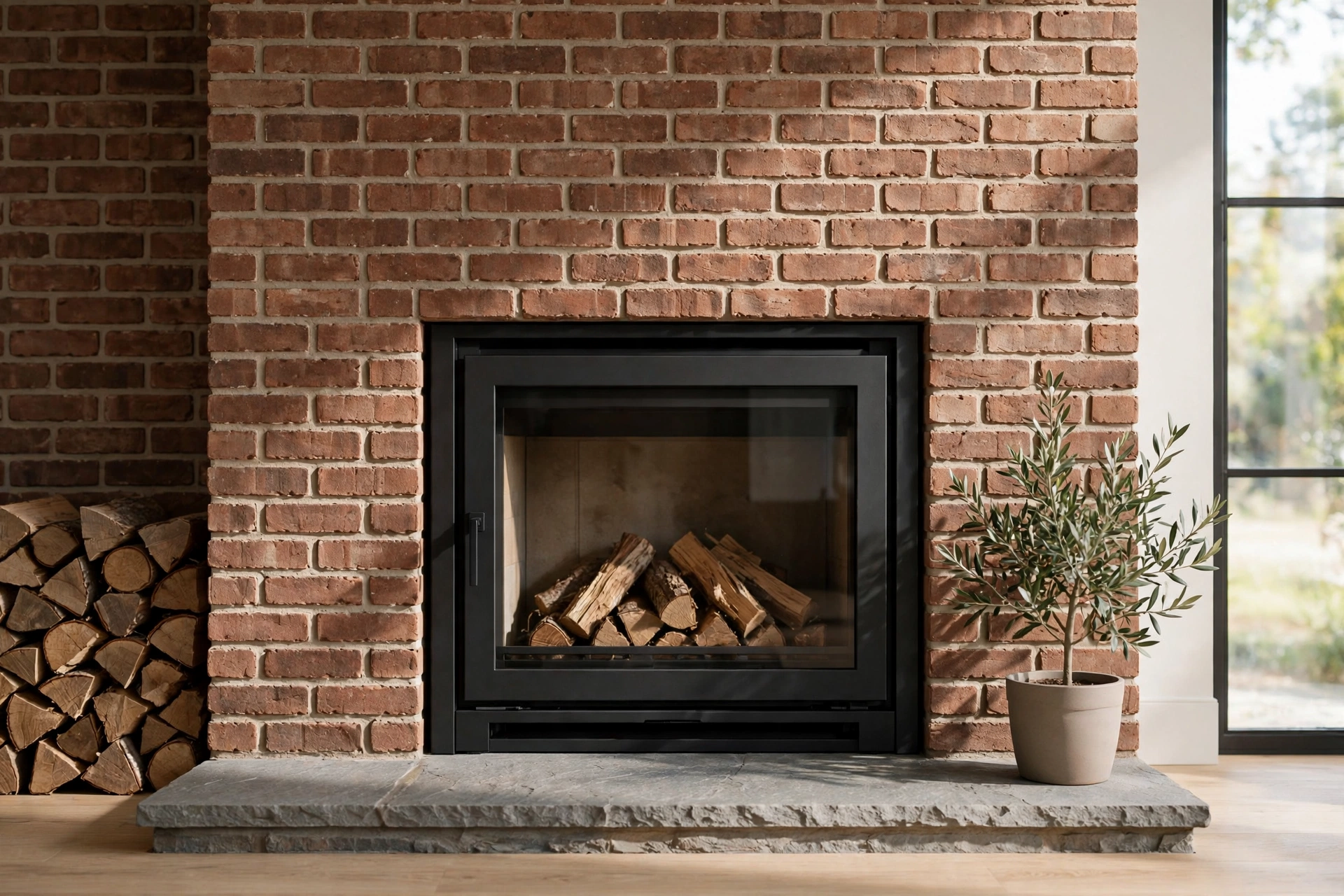
The firebox takes the worst of every fire — and in older masonry fireplaces, the refractory mortar between the firebrick eventually cracks, loosens, or falls out entirely. Once mortar joints open up, heat and sparks can reach the framing behind the firebox, which is a genuine safety issue, not just a cosmetic one.
We repoint firebox mortar joints and replace damaged firebrick, restoring the heat shield your fireplace was built with. Related work includes smoke chamber parging — the smoke chamber above the damper is often rough, unlined brick in older homes, and its jagged surfaces create turbulence that slows smoke on its way up. Smoothing (parging) the smoke chamber improves draft and reduces the smoke-back problem that plagues so many older fireplaces. If you're thinking about converting an open wood fireplace to gas instead of repairing the masonry, our gas log installation page covers that option.
Draft Problems and Smoke in the Room
"Smoke comes into the room" is the call that brings us out to wood fireplaces most often, and the causes are a plain-English checklist: a cold flue that hasn't established draft yet (the hardest fires of the year are the first cold ones of the season), a blocked chimney cap screen, a liner clogged with creosote, wood that's wet or unseasoned, or a chimney that's too short for the roofline.
The sneaky cause is negative pressure. Modern tight construction, kitchen range hoods, bath fans, and clothes dryers can pull air down the chimney faster than the fire pushes it up — the fireplace becomes the path of least resistance for makeup air. That's why a fireplace that worked fine twenty years ago starts smoking after the house gets new windows and a powerful range hood. We diagnose draft problems in order: flue temperature and draft measurement, cap and liner inspection, then a look at the house's pressure balance. The fix might be a simple flue-priming technique, a cap repair, or a liner cleaning — rarely the fireplace itself.
Fireplace acting up? Talk to someone who fixes them every day.
Call +1 (208) 668-8111Chimney Caps and Creosote
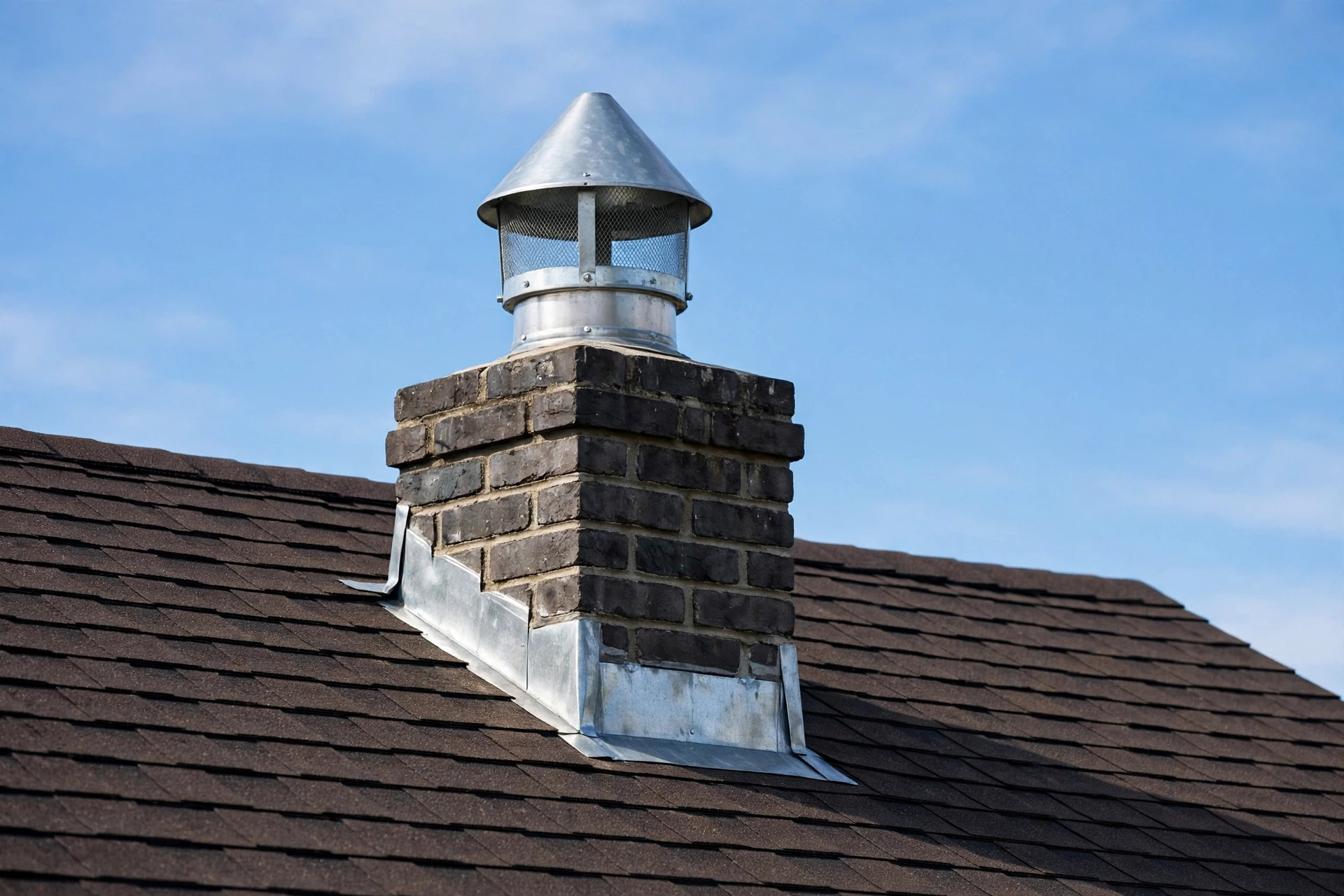
The chimney cap is the cheapest insurance a masonry fireplace has. It keeps rain off the crown and flue, keeps animals and nesting material out, and its spark screen stops embers from landing on the roof. A missing or rusted cap is how water gets into the chimney in the first place — and water, once inside, is what freeze-thaw cycles turn into spalling brick and cracked crowns over North Idaho winters.
Creosote is the other half of wood fireplace maintenance. Every wood fire deposits creosote in the flue; when buildup reaches 1/8 of an inch — or any glazed (hard, shiny) creosote is present — the chimney needs sweeping. With North Idaho's roughly six-month heating season, households that burn regularly often hit that threshold faster than once a year. We sweep to the NFPA 211 standard and will tell you honestly whether you need it annually or twice a season based on how much you burn. For the full annual checkup, pair this with a fireplace safety inspection.
More Fireplace Services
Frequently Asked Questions
How often should my chimney be inspected?
At least once a year, per NFPA 211 — chimneys, fireplaces, and vents should be checked annually for soundness, freedom from deposits, and correct clearances. In Post Falls, fall before the heating season is the practical time.
How often does a wood chimney need to be cleaned?
When creosote buildup reaches 1/8 of an inch, or glazed creosote is present — whichever comes first. With North Idaho's long heating season, households that burn wood regularly often reach that point faster than once a year.
Why is smoke coming into my room instead of up the chimney?
Common causes: a cold flue that hasn't established draft, a blocked chimney cap, a creosote-clogged liner, wet or unseasoned wood, or negative air pressure from exhaust fans and tight construction pulling air down the chimney. We diagnose in that order.
Can cold weather damage my chimney?
Yes. Water that gets into brick and mortar freezes and expands, flaking the brick surface (spalling) and cracking the crown. Repeated freeze-thaw cycles over North Idaho winters are the main reason masonry chimneys deteriorate — and the damage accelerates once it starts.
What is the white staining on my chimney bricks?
Efflorescence — mineral deposits left behind when water moves through masonry. It signals water is entering the chimney above, often through a cracked crown or failed flashing, and it's worth having checked before winter.
My chimney crown is cracked. Does it need repair?
Yes — the crown is the first line of defense against water, and even hairline cracks let rain and snowmelt into the masonry below, where freeze-thaw cycles widen the damage. It's one of the most cost-effective repairs to make before winter, and mortar needs temperatures above about 40–50°F to cure properly.
An older wood fireplace that drafts well and burns clean is one of the best things about a North Idaho winter. If yours isn't doing either, call FireFix at +1 (208) 668-8111 and let's get it sorted before the snow flies.
Fireplace trouble? Call FireFix.
Fireplace repair, inspection, and maintenance across Post Falls, Idaho — diagnosed properly, explained plainly, fixed right.