Fireplace Repair in Milltown
!Masonry chimney on a Milltown cottage
- +1 (208) 668-8111
- Milltown
- Gas & wood fireplaces
Milltown is named for exactly what it sounds like — the mill-town heritage of Post Falls, when the lumber industry built the neighborhoods along the Spokane River. Today it's a mix of Craftsman and cottage-style homes, some with waterfront properties on the river, with easy I-90 access and river recreation close by at Q'emiln Park and Black Bay.
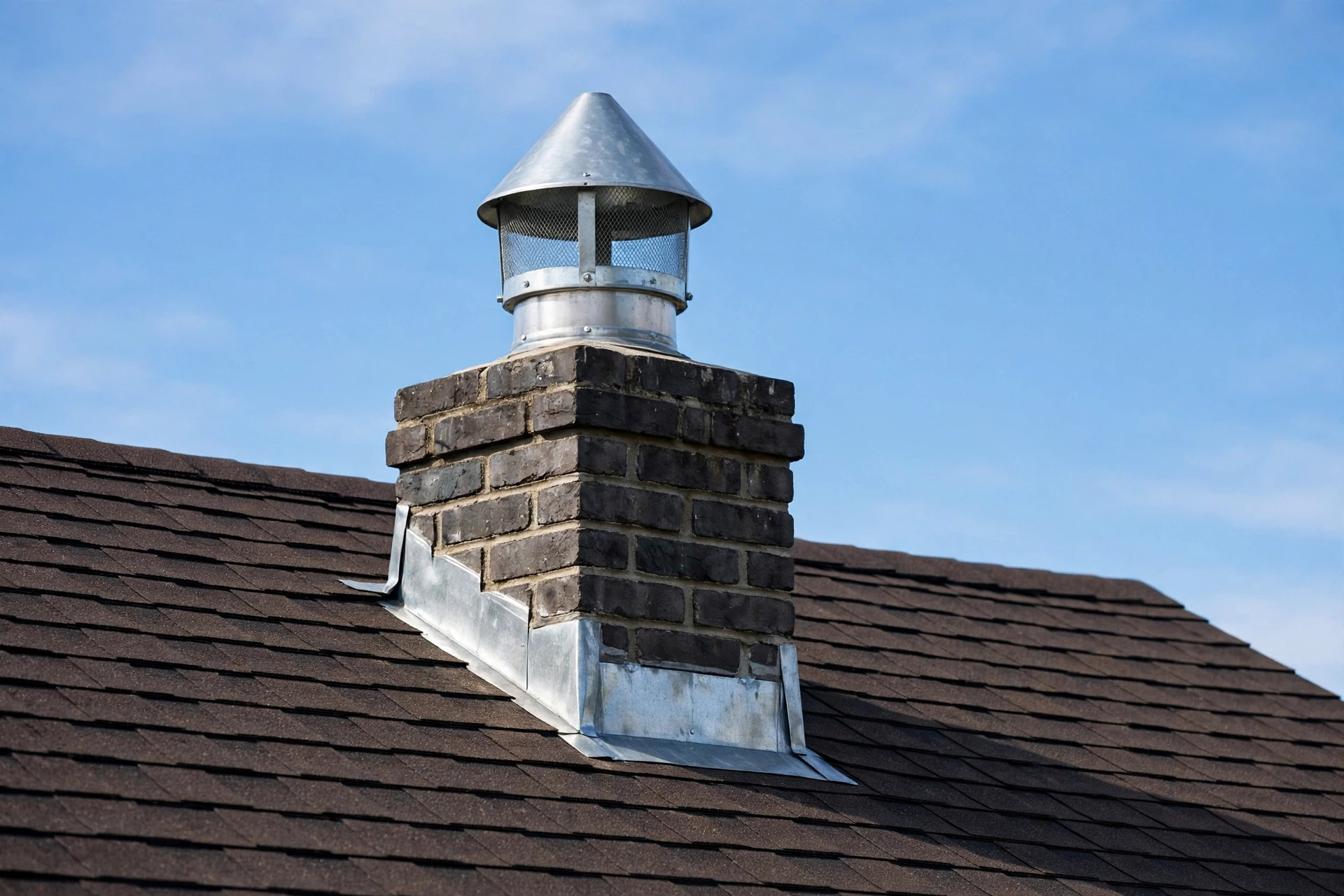
Living that close to the river shapes everything about a chimney. Waterfront homes see extra moisture exposure on exterior chimneys — and moisture plus North Idaho's freeze-thaw cycles is the combination that wears masonry down. The older cottage housing stock here carries masonry chimneys with decades of weather on them, which is why the Milltown service call is so often about caps, crowns, and masonry. If you need fireplace repair in Milltown, FireFix is based in Post Falls at 555 N Syringa St. Call +1 (208) 668-8111 — we'll inspect the whole chimney, top to bottom, inside and out.
Fireplace services for Milltown
Every service below is fireplace work — repair, inspection, and maintenance for Milltown homes.
Housing Stock & Fireplace Types in Milltown
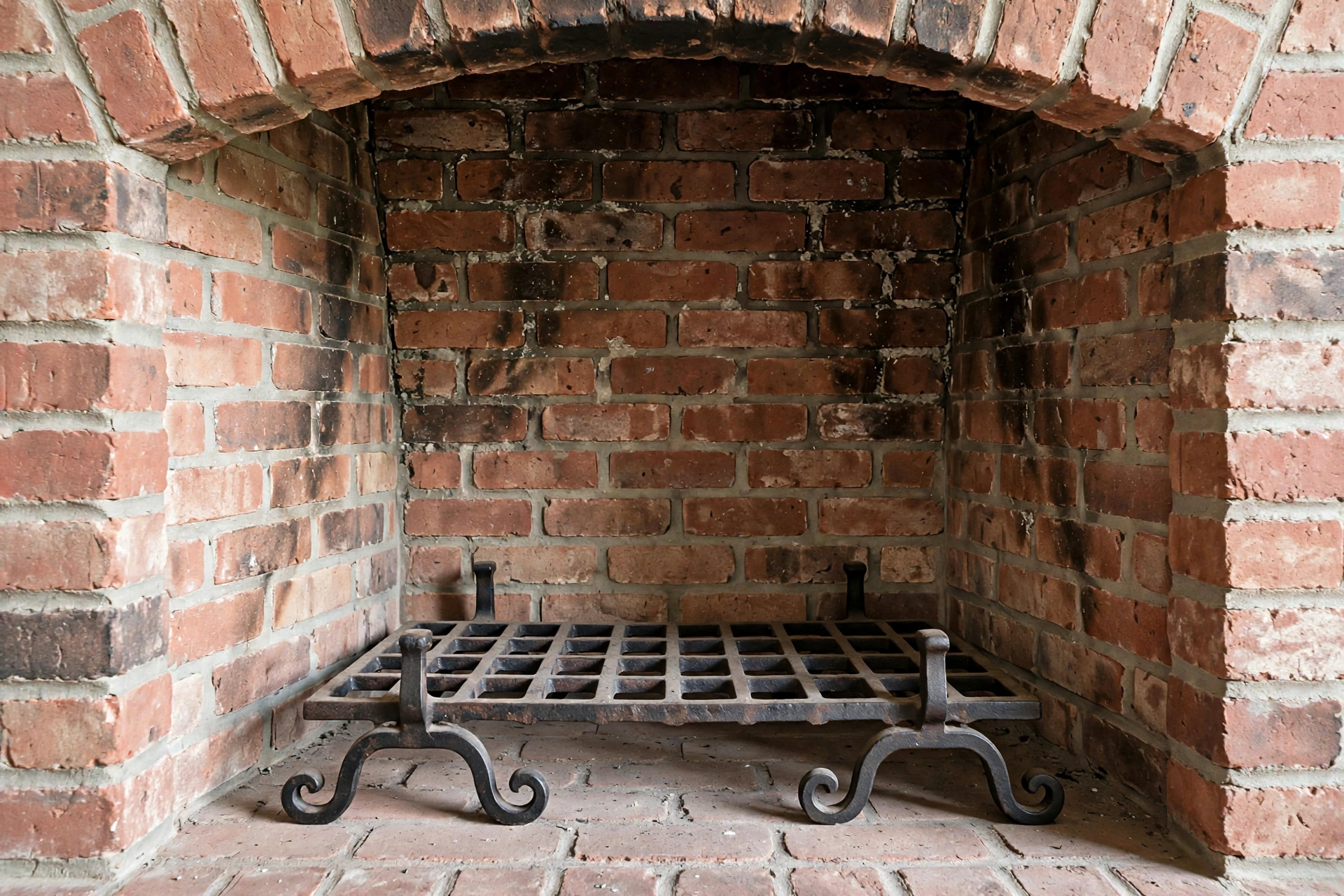
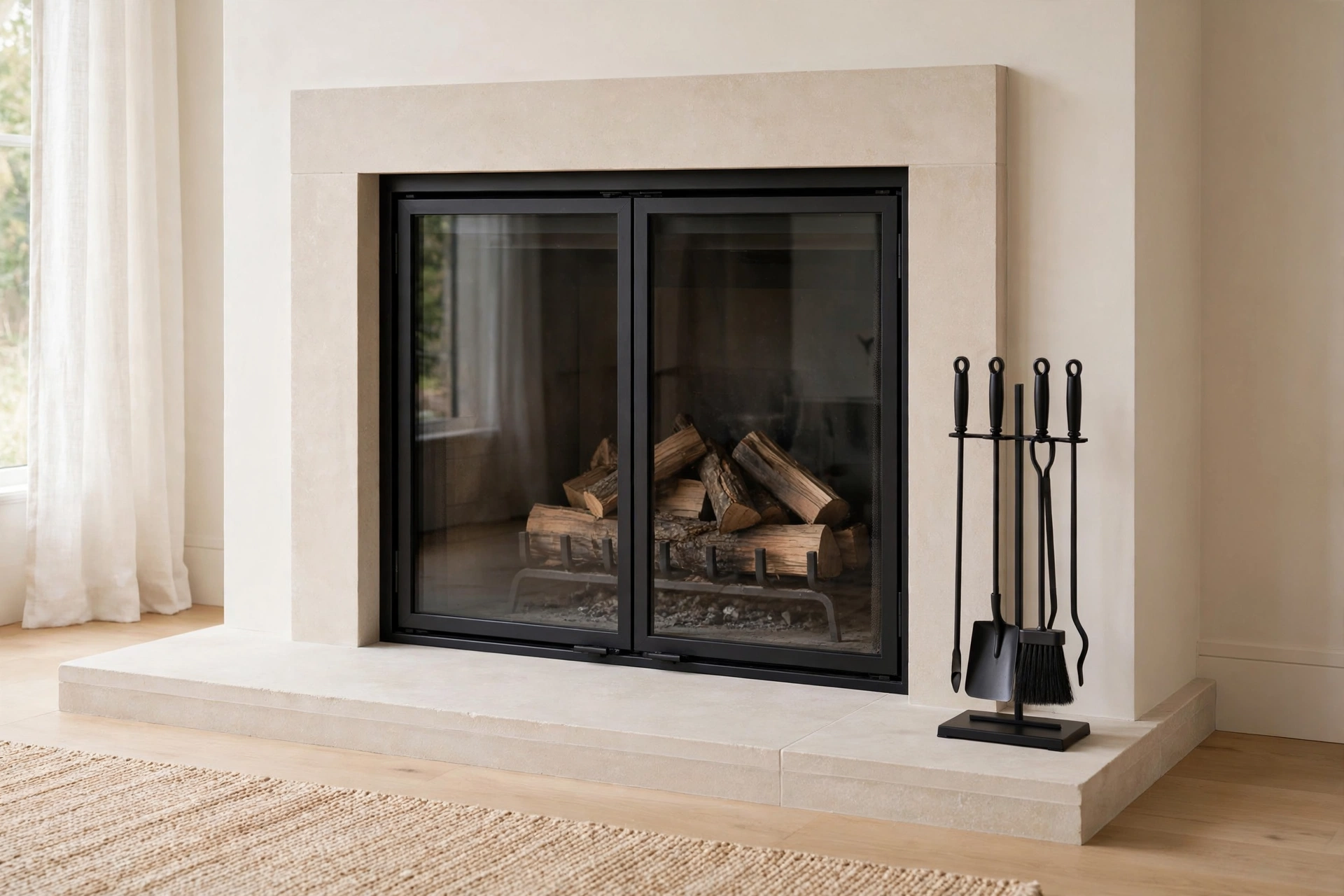
Milltown's housing is rooted in its mill-town past: Craftsman and cottage-style homes, many with original wood-burning masonry fireplaces and brick chimneys that have been standing for generations. These are the chimneys that define our masonry work — open hearths, throat dampers, clay flue liners, and crowns poured decades ago.
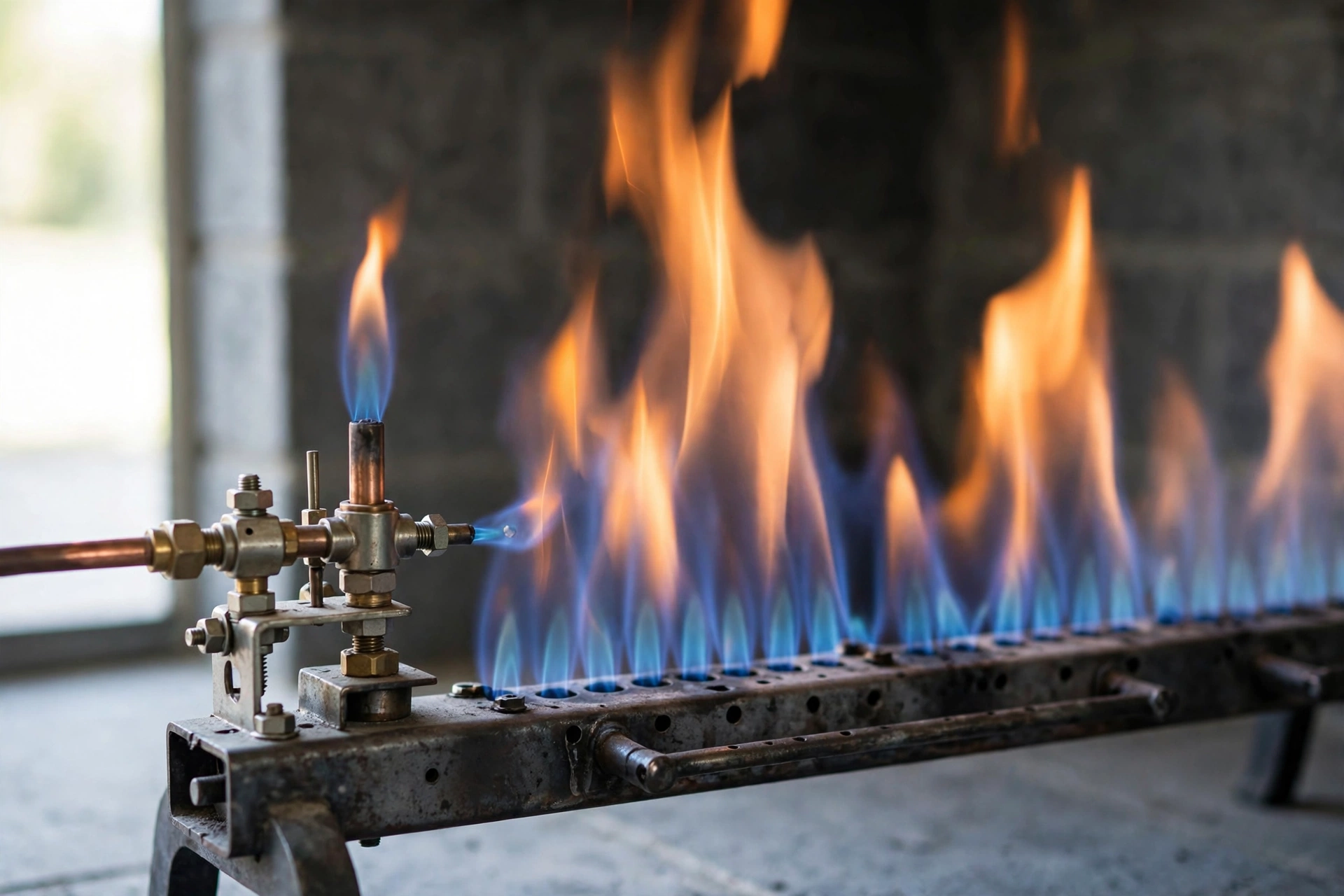
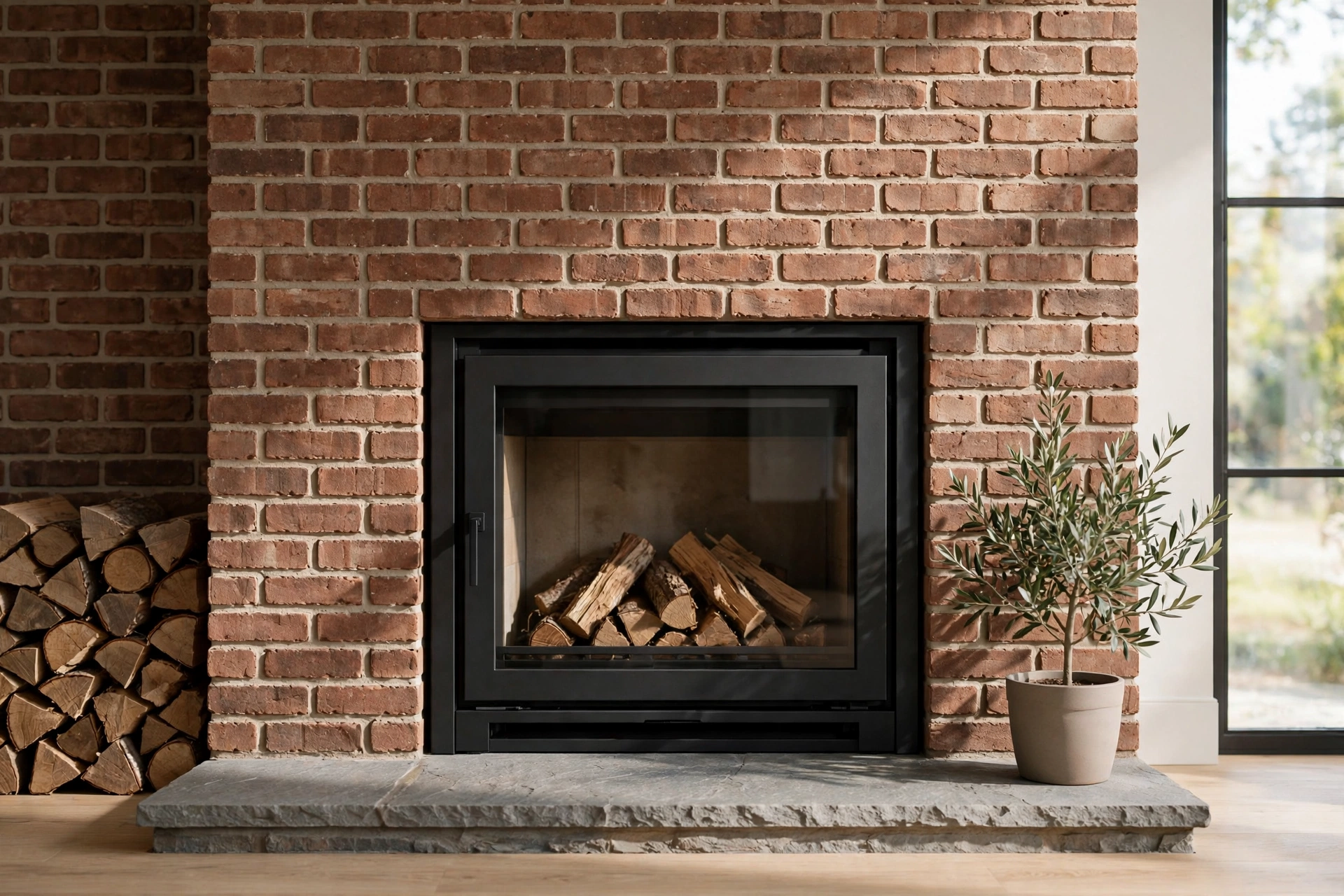
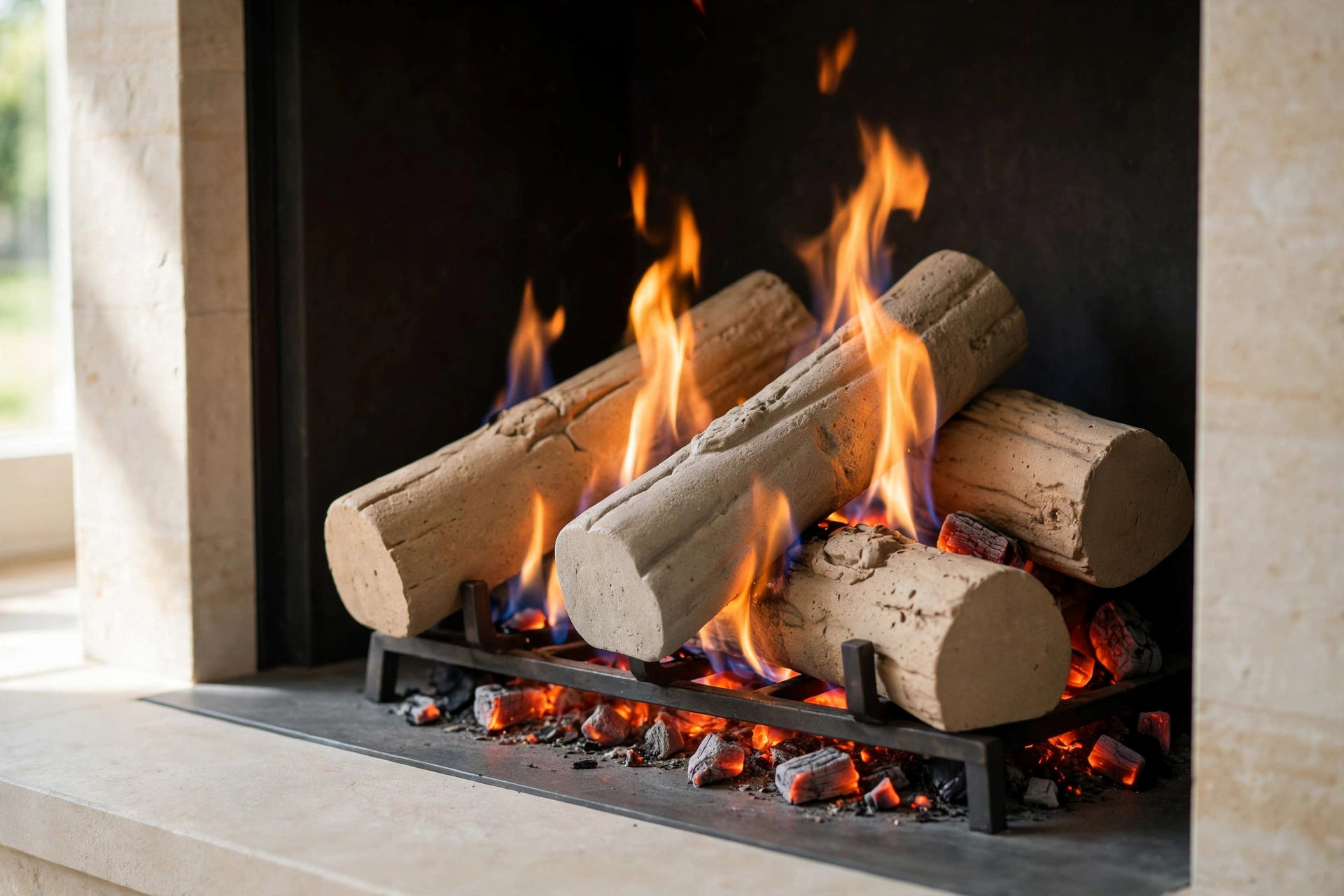
Some homes have been retrofitted with a gas log set — a burner with ceramic logs set into the original masonry firebox — or a wood or pellet insert that burns cleaner and hotter. The inserts are popular here: they let a cottage keep its original hearth while burning North Idaho's abundant wood more efficiently.
Near the river, the housing stock includes waterfront properties where the chimney takes the weather head-on — rain, snowmelt, and river-moisture air pressing into the masonry year-round. Those chimneys age faster than identical chimneys a mile inland, and they need their caps, crowns, and flashing checked every fall.
Common Fireplace Problems We See in Milltown
Cracked chimney crowns
The crown is the first line of defense against water, and even hairline cracks let rain and snowmelt into the masonry below. On older Milltown chimneys, crowns are often original — decades of freeze-thaw have done their work. Crown repair or repour is one of the most cost-effective repairs to make before winter. See our chimney repair page for the full masonry service list.
Freeze-thaw spalling and efflorescence
Water enters brick and mortar, freezes, expands, and flakes the brick face (spalling). Waterfront chimneys show it first and worst. The white mineral staining on brick — efflorescence — is the calling card: it means water is moving through the masonry from above, usually through a cracked crown or failed flashing.
Creosote buildup in long-serving flues
Milltown's cottages burn wood through a six-month heating season (roughly October through April), and more burn hours means faster creosote buildup. When it reaches 1/8 of an inch — or glazed creosote appears — the chimney needs cleaning. Households that burn regularly often reach that point faster than the once-a-year minimum.
Smoke backing into the room
Cold flues draft poorly at startup, blocked cap screens and creosote-clogged liners choke the draft, and wet or unseasoned wood makes it worse. Chimneys on waterfront homes can also be too short relative to nearby trees — draft problems we diagnose in plain English, not with guesswork.
Water getting in around the fireplace
Shows up as rust on the damper, damp smells, or stained interior brick — usually a cracked crown, failed flashing, or a missing or damaged cap. Near the river, flashing takes more abuse and fails sooner.
Our Fireplace Repair Process
Every visit follows the same troubleshoot-first method: investigate, isolate, then replace — never throw parts at a problem blindly.
Inspection
We check the whole chimney system: firebox and damper, flue liner condition, and the exterior from the roof — crown, cap, flashing, brick and mortar condition, and signs of water entry.
Diagnosis in plain English
We show you what's wrong — spalling versus staining, a cracked crown versus failed flashing — and explain the options before any work starts.
Repair
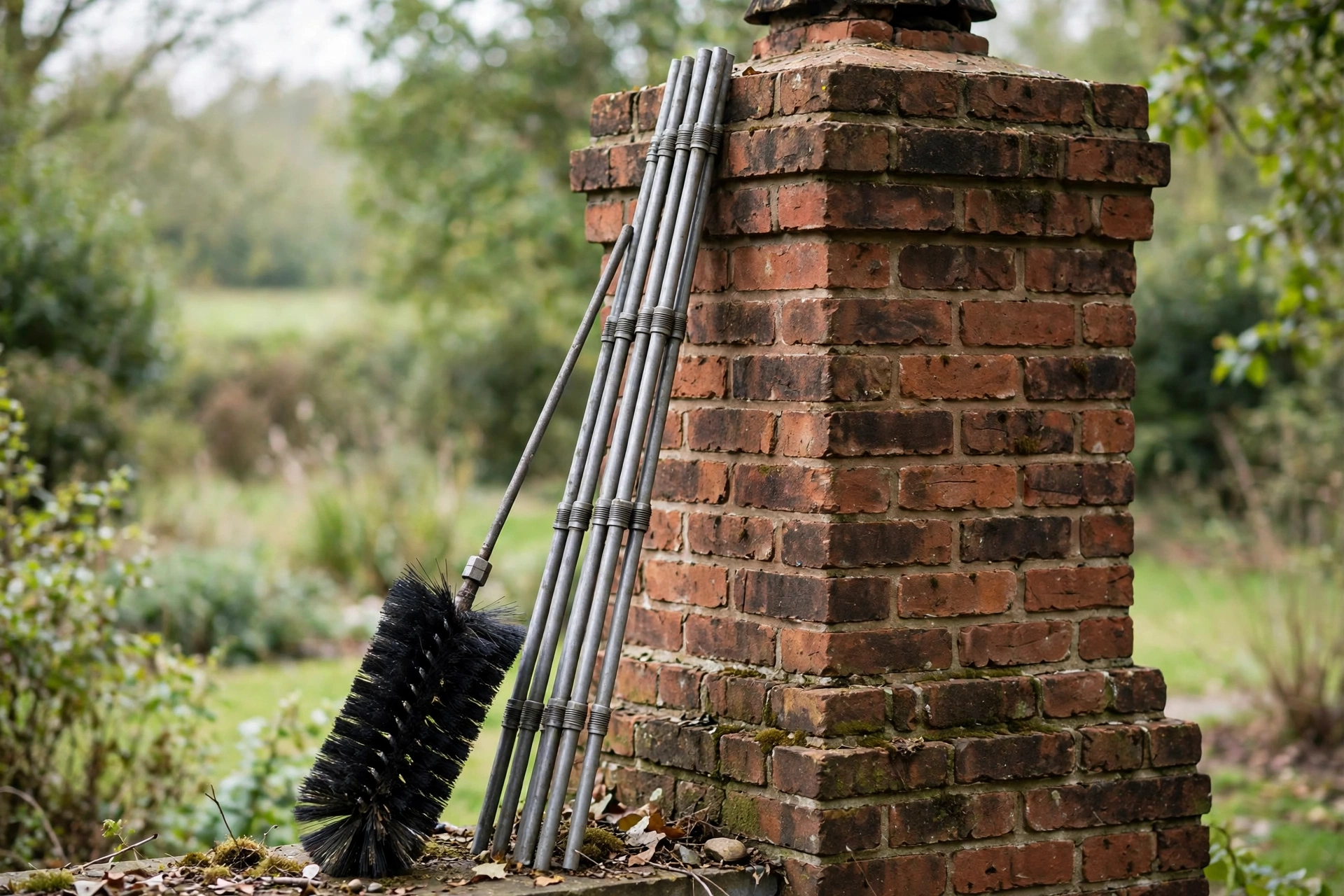
Chimney sweeping and creosote removal, damper service, cap installation, crown repair or repour, repointing, flashing repair, breathable waterproofing, and relining where the flue liner is done.
Safety check
We verify the fireplace drafts properly, the flue is clear, safety devices work, and nothing has been bypassed. Annual inspection per NFPA 211 is the standard we work to. One seasonal note that matters here: tuckpointing and rebuilds need temperatures above about 40–50°F to cure. Fall repairs enter winter hardened; winter repairs risk failing in the first freeze-thaw cycle. September and October are the window for Milltown masonry work.
Fireplace acting up? Talk to someone who fixes them every day.
Call +1 (208) 668-8111Fireplace Prevention Tips for Milltown Homeowners
Check the crown and cap every fall
A sound cap keeps rain, snow, and animals out; a sound crown keeps water out of the masonry. Both are cheap compared to a rebuild. - Never paint the chimney. Paint traps moisture inside the brick — the exact opposite of what a river-adjacent chimney needs. Breathable silane/siloxane sealers are the correct protection. - Burn only seasoned wood. Wet wood builds creosote faster and produces the smoke-back that plagues older flues. - Schedule sweeping before the season, not during it. Annual inspection per NFPA 211, and with Milltown's heavy wood use, more than annual cleaning is often the honest answer. A fall sweep beats a January emergency. - Watch for efflorescence. White staining on the brick is water's signature — get the crown and flashing checked before the freeze.
Frequently Asked Questions
How often should my chimney be inspected in Milltown?
At least once a year, per NFPA 211 — chimneys, fireplaces, and vents should be inspected annually for soundness, freedom from deposits, and correct clearances. With Milltown's older masonry chimneys and river moisture, fall inspection is the practical timing.
How often does a chimney need to be cleaned?
When creosote buildup reaches 1/8 of an inch, or glazed creosote is present — whichever comes first. With North Idaho's six-month heating season, households that burn wood regularly often reach that point faster than once a year.
Can cold weather damage my chimney?
Yes. Water that gets into brick and mortar freezes and expands, flaking the brick surface (spalling) and cracking the crown. Repeated freeze-thaw cycles over North Idaho winters are the main reason masonry chimneys deteriorate — and waterfront chimneys near the river deteriorate fastest.
My chimney crown is cracked. Does it need repair?
Yes — the crown is the first line of defense against water, and even hairline cracks let rain and snowmelt into the masonry below, where freeze-thaw cycles widen the damage. It is one of the most cost-effective repairs to make before winter.
Why is smoke coming into my room instead of up the chimney?
Common causes: a cold flue that hasn't established draft, a blocked chimney cap, a creosote-clogged liner, burning wet or unseasoned wood, or negative air pressure from exhaust fans and tight construction pulling air down the chimney.
---
Milltown's chimneys have character — they've earned it. Keeping them sound through North Idaho winters is exactly what we do. FireFix serves Milltown from 555 N Syringa St, Post Falls, ID 83854. Call +1 (208) 668-8111 to schedule your fall inspection or repair.
Serving Milltown
FireFix serves Milltown and the surrounding Post Falls neighborhoods with fireplace repair, inspection, and maintenance.
Fireplace trouble? Call FireFix.
Fireplace repair, inspection, and maintenance across Post Falls, Idaho — diagnosed properly, explained plainly, fixed right.