Fireplace Repair in West Prairie
!Fireplace insert in West Prairie
- +1 (208) 668-8111
- West Prairie
- Gas & wood fireplaces
West Prairie feels semi-rural — spacious homes on large lots, some with farm buildings, and open ground in every direction. It's the part of Post Falls where the property does the talking: room for workshops, sheds, and outbuildings, with Corbin Park and Q'emiln Park nearby and Stateline Speedway & Event Park as area recreation.
Bigger homes and outbuildings mean something specific for fireplaces: wood stoves, pellet stoves, and shop heating sitting alongside the main fireplace. Out here, wood isn't just ambiance — it's heat. The burn season runs longer, the stoves work harder, and creosote builds faster. If you need fireplace repair in West Prairie, FireFix is based in Post Falls at 555 N Syringa St — call +1 (208) 668-8111, and one annual visit can cover the fireplace and the shop stove, which is the efficient way to do it on a big property.
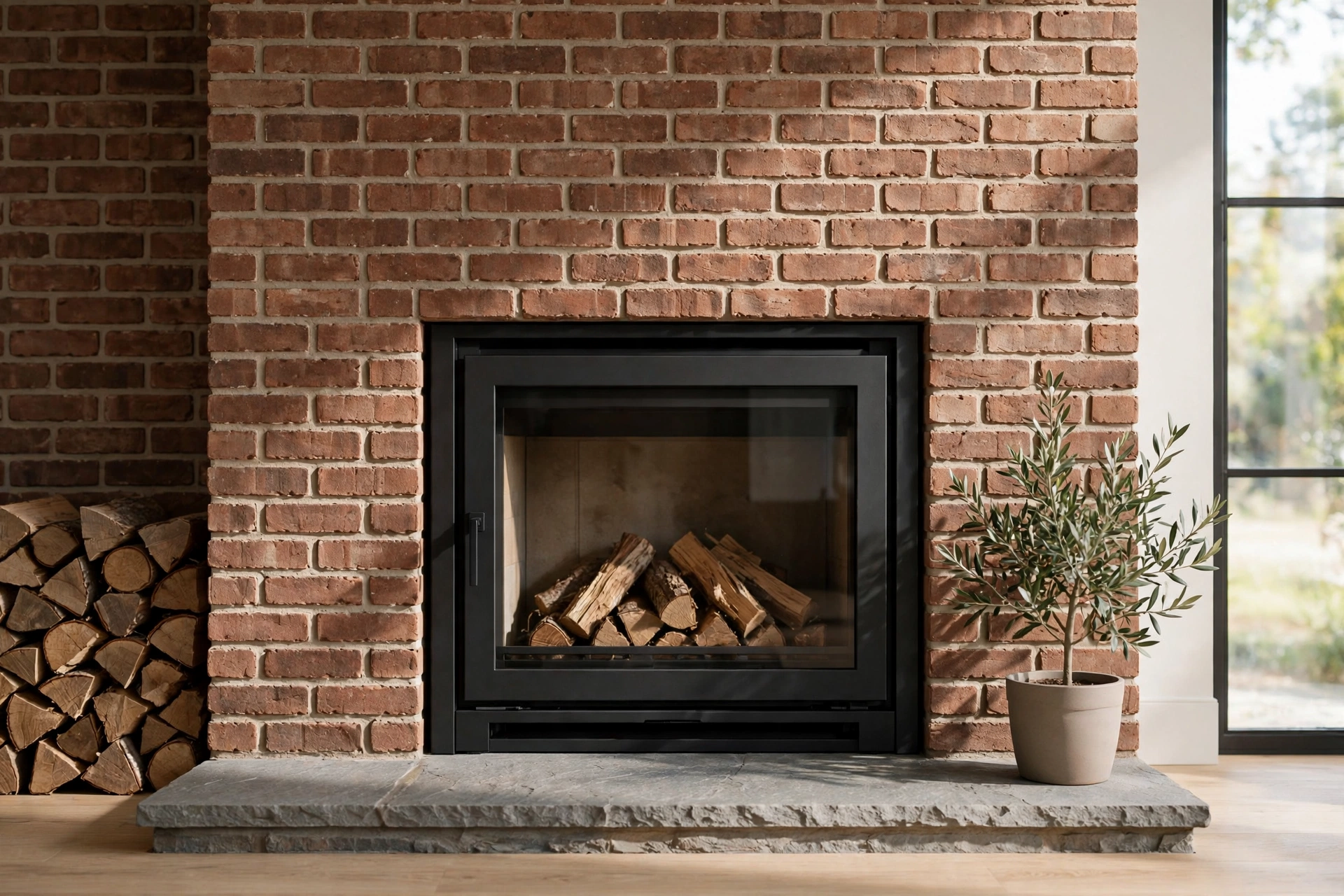
Fireplace services for West Prairie
Every service below is fireplace work — repair, inspection, and maintenance for West Prairie homes.
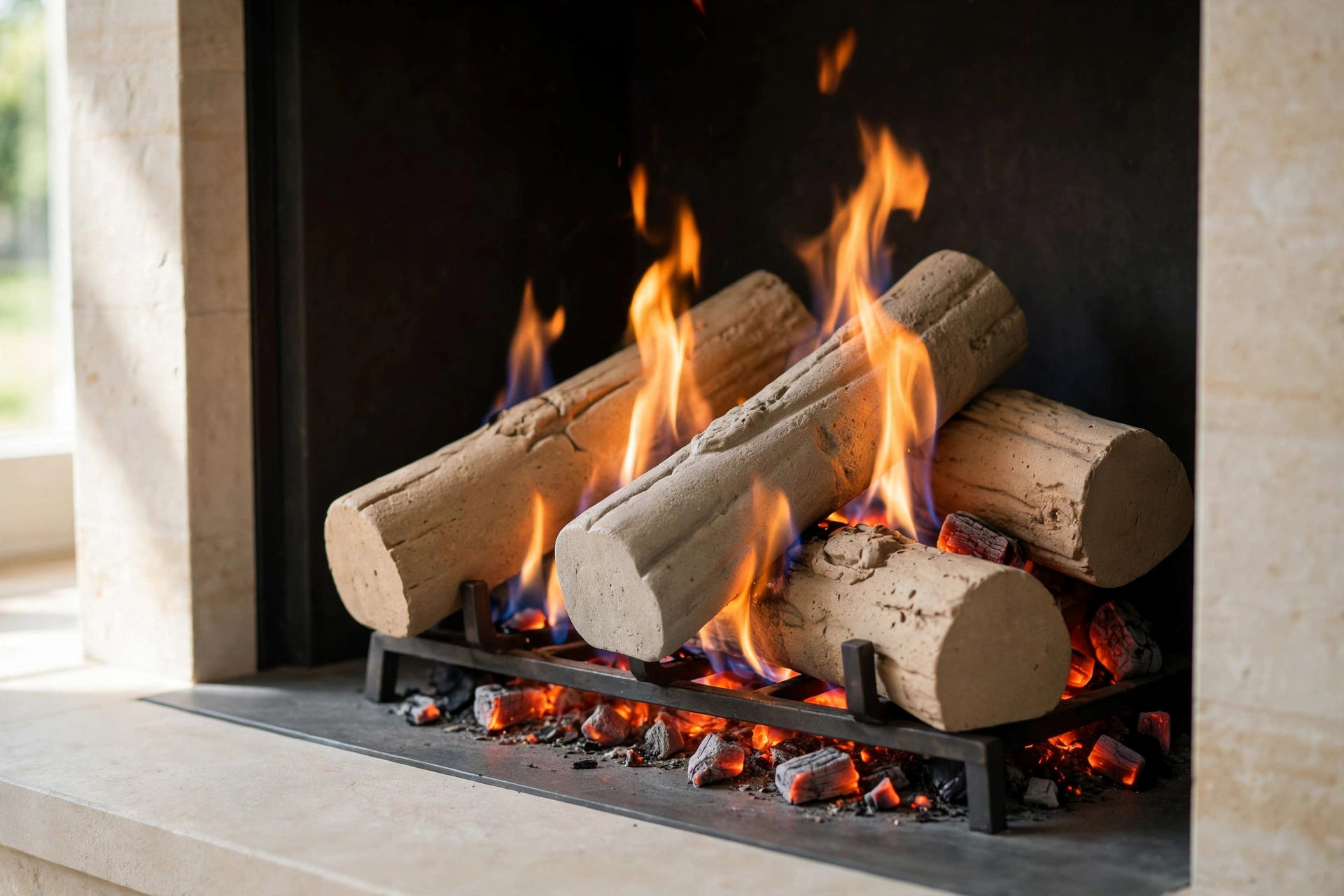
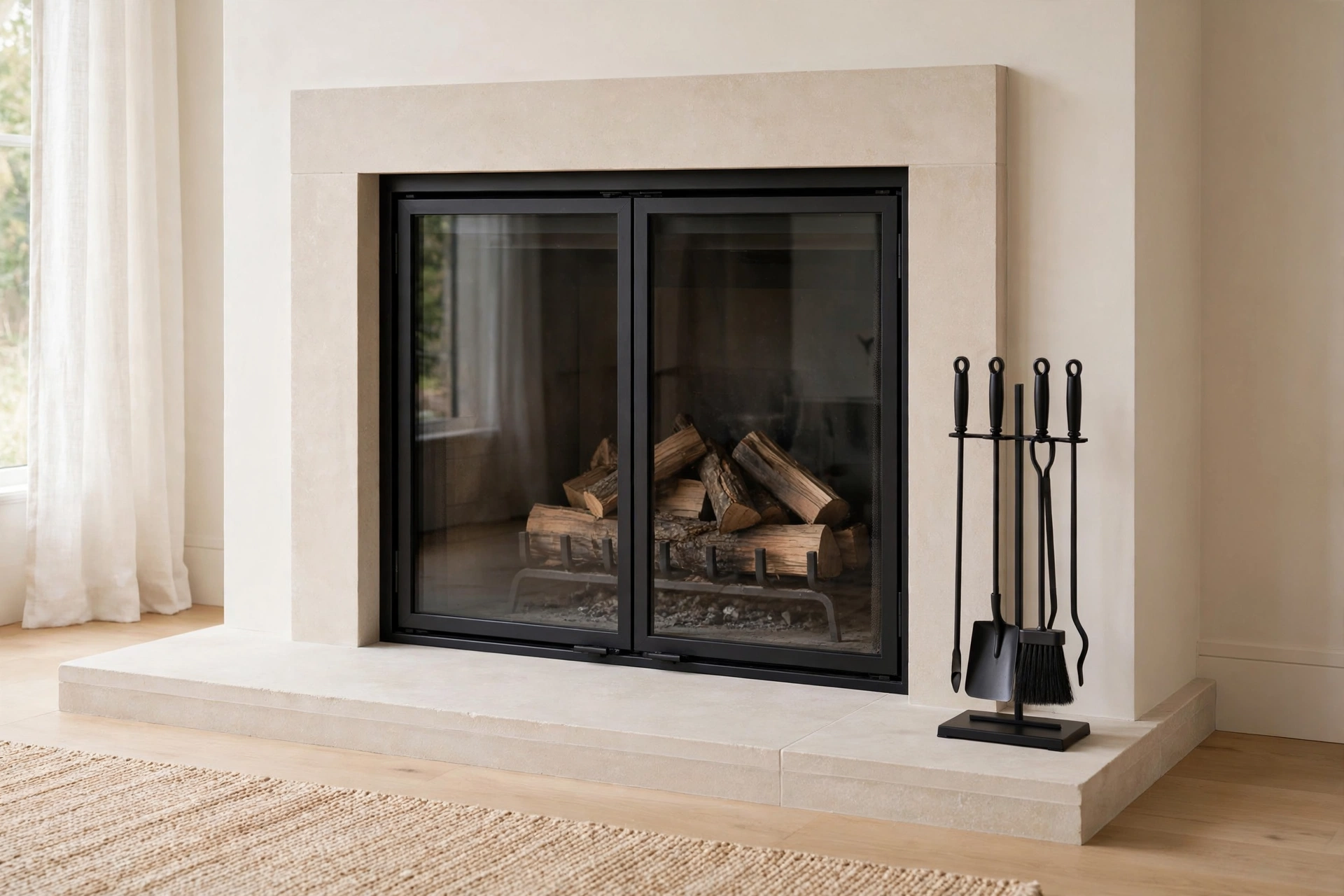
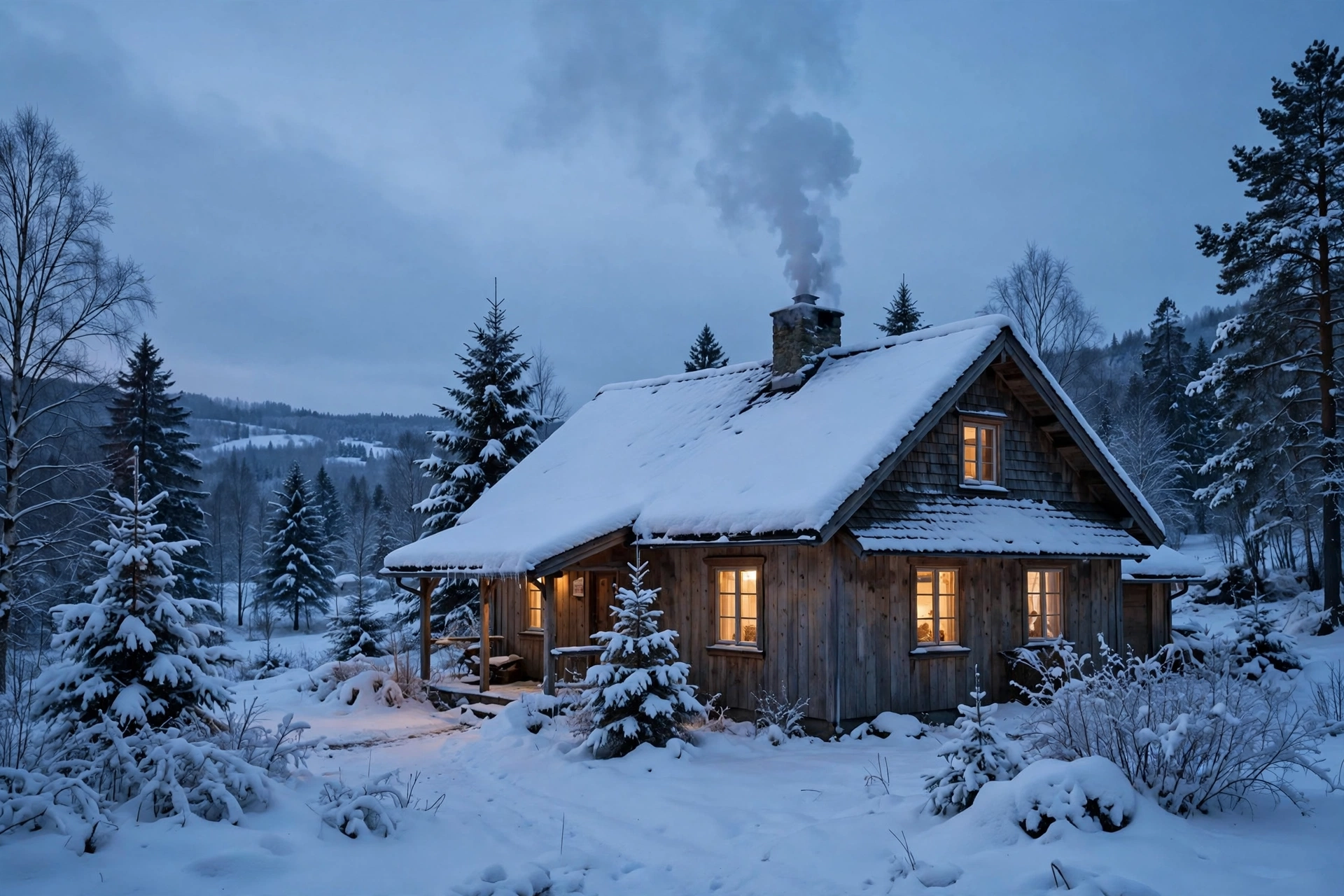
Housing Stock & Fireplace Types in West Prairie
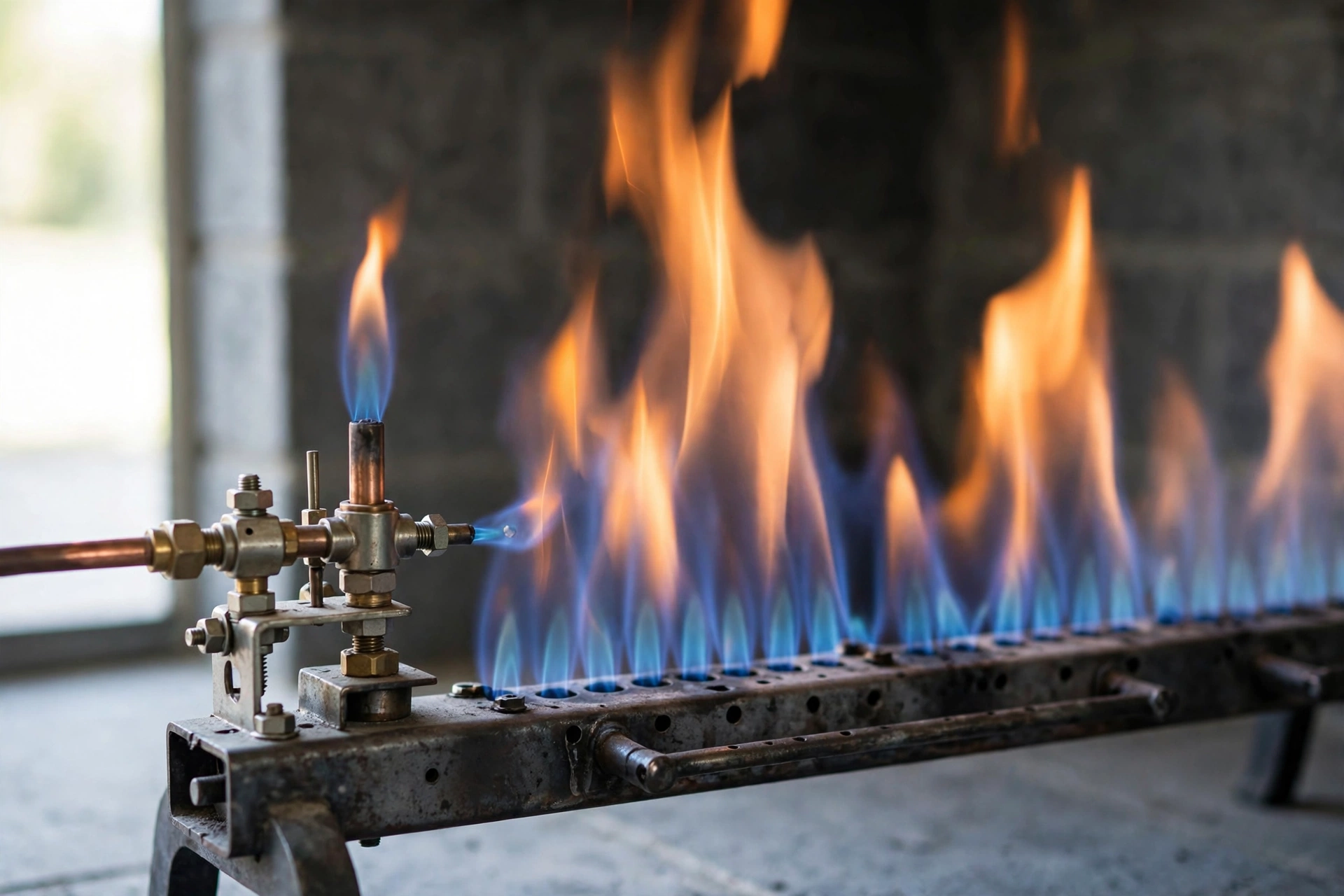
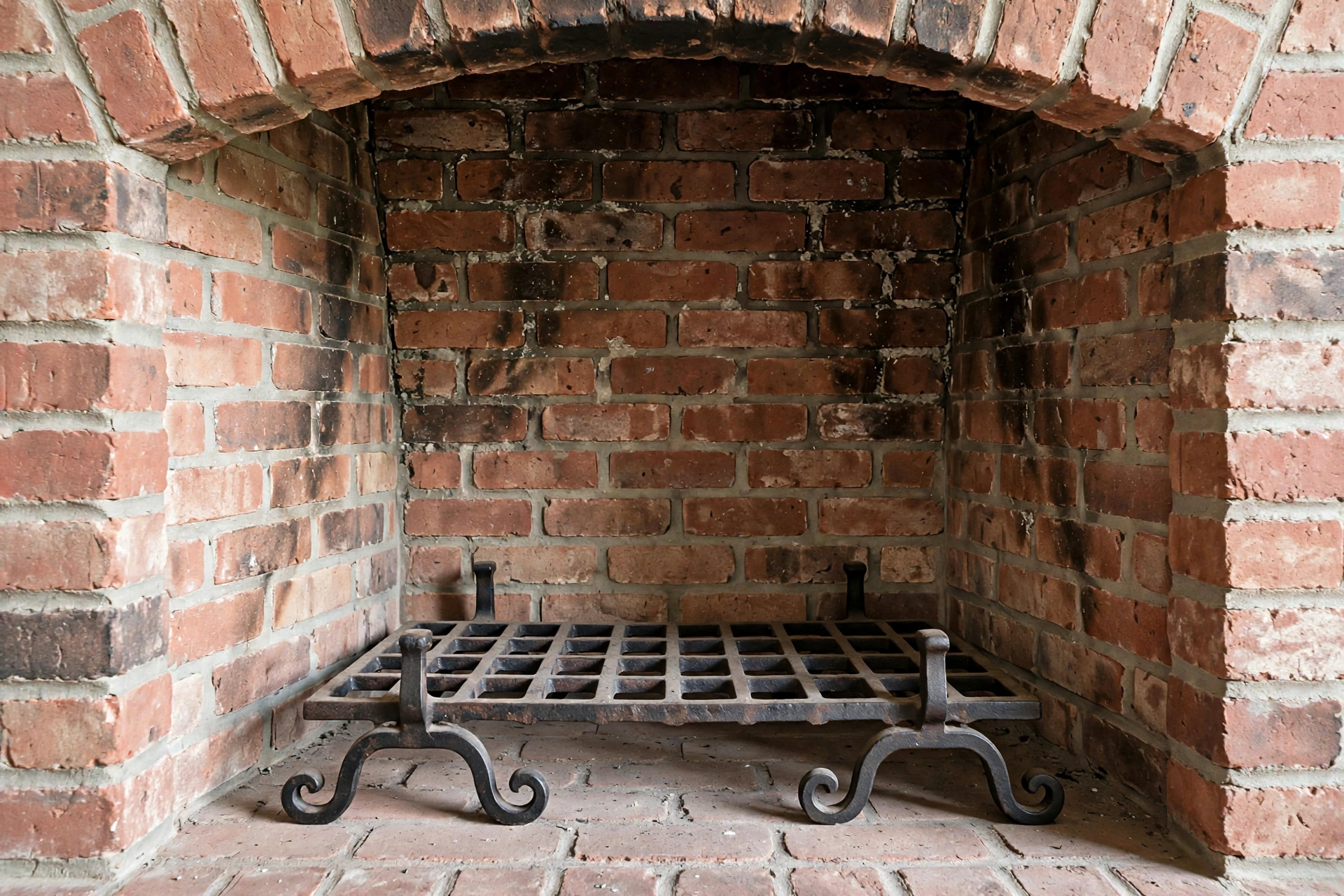
West Prairie's homes are larger and newer on average than the City Center stock, but the fireplace mix is the most varied in Post Falls. Alongside the main living-room fireplace — often a gas direct-vent unit or a masonry wood fireplace — you'll find:
- Wood stoves heating shops, garages, and outbuildings — the classic West Prairie setup, where the farm building gets its own stove.
- Pellet stoves as supplemental heat — popular where North Idaho's wood culture meets the convenience of a hopper-fed burn.
- Wood and pellet inserts retrofitted into older masonry fireplaces, burning the local wood supply cleaner and hotter.
- Gas log sets in masonry fireboxes, for homes that want the fire without the woodpile.
Because these are working heat sources rather than occasional-use fireplaces, they run longer burn seasons and more total hours — which changes the service math: more hours, more creosote, more wear on igniters, augers, gaskets, and dampers, and a stronger case for one thorough annual visit.
Common Fireplace Problems We See in West Prairie
Creosote from long burn seasons
More burn hours means faster buildup. When creosote reaches 1/8 of an inch — or glazed creosote appears — the chimney or venting needs cleaning, and households that burn wood as primary or secondary heat often reach that point faster than the once-a-year minimum. This is the single most important service item for West Prairie's wood burners. See our chimney sweep page for what a visit includes.
Pellet stove wear
Igniter and auger motor wear, ash-clogged venting, and dirty sensors are the pellet stove's failure pattern. They show up as failed startups, weak heat output, or nuisance shutdowns — all fixable, but they need someone who knows pellet systems, not just gas valves. See fireplace insert repair for pellet and wood insert service.
Draft problems on tall or exposed chimneys
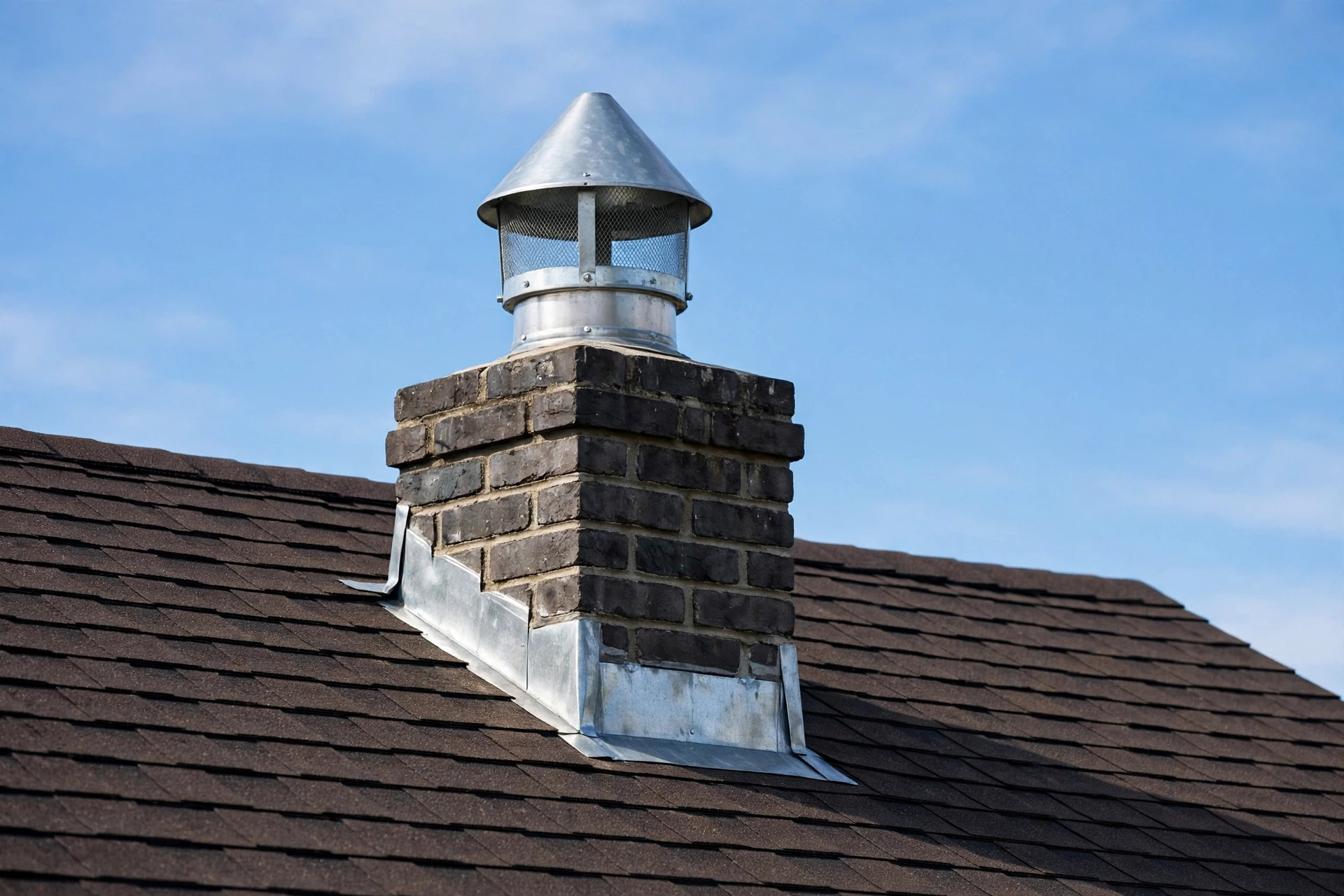
West Prairie's open ground means wind exposure, and wind can fight a chimney's draft — downdrafts, intermittent smoke-back, and cold-flue startup trouble are more common where there's nothing blocking the weather. Chimney height, cap design, and negative pressure from tight construction all factor into the diagnosis.
Seasonal neglect between visits
With longer drive times between services, it's easy to let a stove go two or three seasons without a cleaning. The result is the same everywhere: glazed creosote that's harder to remove, gaskets that have failed, and a vent system that's been slowly choking. Annual inspection per NFPA 211 is the floor, not the ceiling, for heavy-use stoves.
Gas fireplace startup failures
The main-house gas units have the same October pattern as everywhere else — pilots that won't stay lit (weak thermocouple, clogged pilot orifice, weak thermopile), dead remote batteries, dust burn-off smells on first firing.
Our Fireplace Repair Process
Every visit follows the same troubleshoot-first method: investigate, isolate, then replace — never throw parts at a problem blindly.
Inspection
We check every fuel-burning appliance you want covered — fireplace, insert, wood stove, pellet stove: firebox condition, damper operation, flue and liner, chimney exterior and crown, venting, and on gas units the full pilot and ignition system.
Diagnosis in plain English
We show you what's wrong on each unit and lay out the options before any work starts. One visit, one clear picture of the whole property.
Repair
Chimney sweeping and creosote removal, damper service, igniter and auger work on pellet stoves, thermocouple and thermopile replacement on gas units, caps, crowns, repointing, and flashing.
Safety check
We verify each appliance drafts properly, safety devices work, and nothing has been bypassed. Annual inspection per NFPA 211 is the standard we work to — applied to the fireplace and the shop stove alike.
Fireplace acting up? Talk to someone who fixes them every day.
Call +1 (208) 668-8111Fireplace Prevention Tips for West Prairie Homeowners
Make the annual visit a property visit
One scheduled appointment covering the house fireplace, the shop stove, and any inserts is the efficient way to handle a large lot — and with longer travel between services, bundling matters. - Burn only seasoned wood. Wet wood is the fastest route to glazed creosote, smoke-back, and a chimney that needs cleaning twice as often. North Idaho has plenty of good wood; give it time to season. - Empty pellet stove ash regularly. Ash-clogged venting and dirty sensors cause most pellet stove nuisance failures — routine ash removal between services prevents them.- Watch chimney caps on exposed properties. Wind and weather work caps loose faster on open ground, and a missing cap invites rain, snow, and nesting animals into the flue. - Schedule September through October. You beat the fall rush, and any masonry work needs temperatures above about 40–50°F to cure before the freeze.
Frequently Asked Questions
How often should my wood stove chimney be cleaned in West Prairie?
When creosote buildup reaches 1/8 of an inch, or glazed creosote is present — whichever comes first. With wood as primary or secondary heat through North Idaho's six-month heating season, West Prairie households often reach that point faster than once a year.
Why does my pellet stove keep shutting down?
The most common causes are igniter or auger motor wear, ash-clogged venting, or dirty sensors. Regular ash removal prevents many of these failures; the rest need a service visit to test components before replacing them.
Why is smoke coming into my room instead of up the chimney?
Common causes: a cold flue that hasn't established draft, a blocked chimney cap, a creosote-clogged liner, burning wet or unseasoned wood, or wind-driven downdraft on an exposed chimney — plus negative air pressure from exhaust fans and tight construction.
Can cold weather damage my chimney?
Yes. Water that gets into brick and mortar freezes and expands, flaking the brick surface (spalling) and cracking the crown. Repeated freeze-thaw cycles over North Idaho winters are the main reason masonry chimneys deteriorate.
When is the best time to schedule fireplace service in West Prairie?
September through October — before the heating season starts. One annual visit that covers the house fireplace and the shop stove is the efficient approach for a large property, and fall timing beats the October startup-failure rush.
---
Big property, multiple stoves, one visit. FireFix serves West Prairie from 555 N Syringa St, Post Falls, ID 83854. Call +1 (208) 668-8111 to schedule your annual fireplace and stove service.
Serving West Prairie
FireFix serves West Prairie and the surrounding Post Falls neighborhoods with fireplace repair, inspection, and maintenance.
Fireplace trouble? Call FireFix.
Fireplace repair, inspection, and maintenance across Post Falls, Idaho — diagnosed properly, explained plainly, fixed right.