Fireplace Repair in North Prairie
!Gas fireplace in a North Prairie home
- +1 (208) 668-8111
- North Prairie
- Gas & wood fireplaces
North Prairie is Post Falls' newer suburb — most homes are new traditional and Craftsman styles built since 2000, sitting on spacious lots with room for workshops or sheds. Syringa Park (2975 N Bunchgrass Dr) and The Club at Prairie Falls golf course anchor the neighborhood's amenities — and the Syringa name is a local touch we like, since our shop sits on N Syringa St just minutes away.
Post-2000 construction means one thing for fireplaces: gas direct-vent units, almost everywhere. Pilots that won't stay lit, weak thermopiles, dead remote batteries, and the annual fall service before the heating season — the most common call type in North Prairie. If you need fireplace repair in North Prairie, FireFix is based right here in Post Falls at 555 N Syringa St. Call +1 (208) 668-8111 and we'll get your gas fireplace firing reliably before the first cold snap.
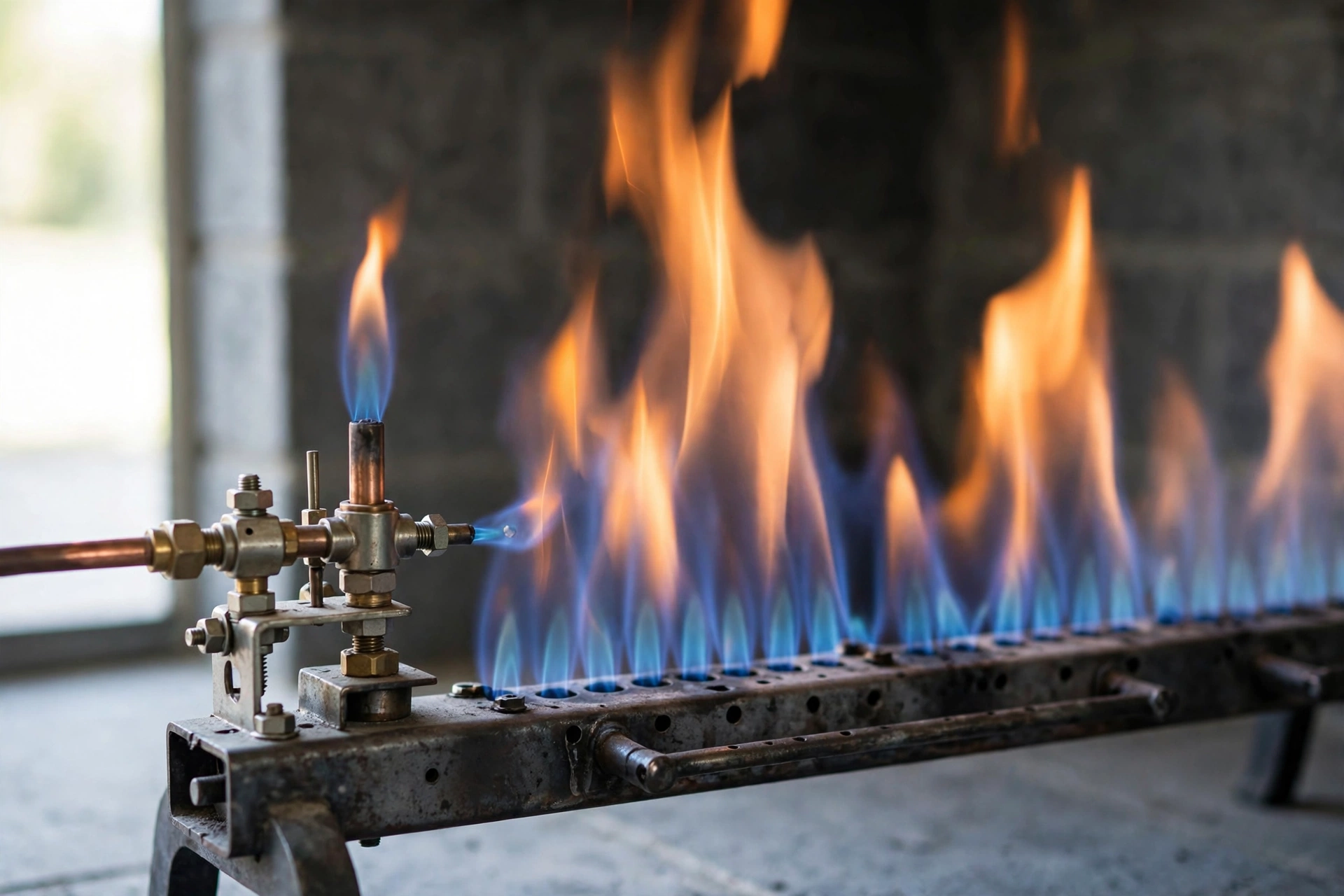
Fireplace services for North Prairie
Every service below is fireplace work — repair, inspection, and maintenance for North Prairie homes.
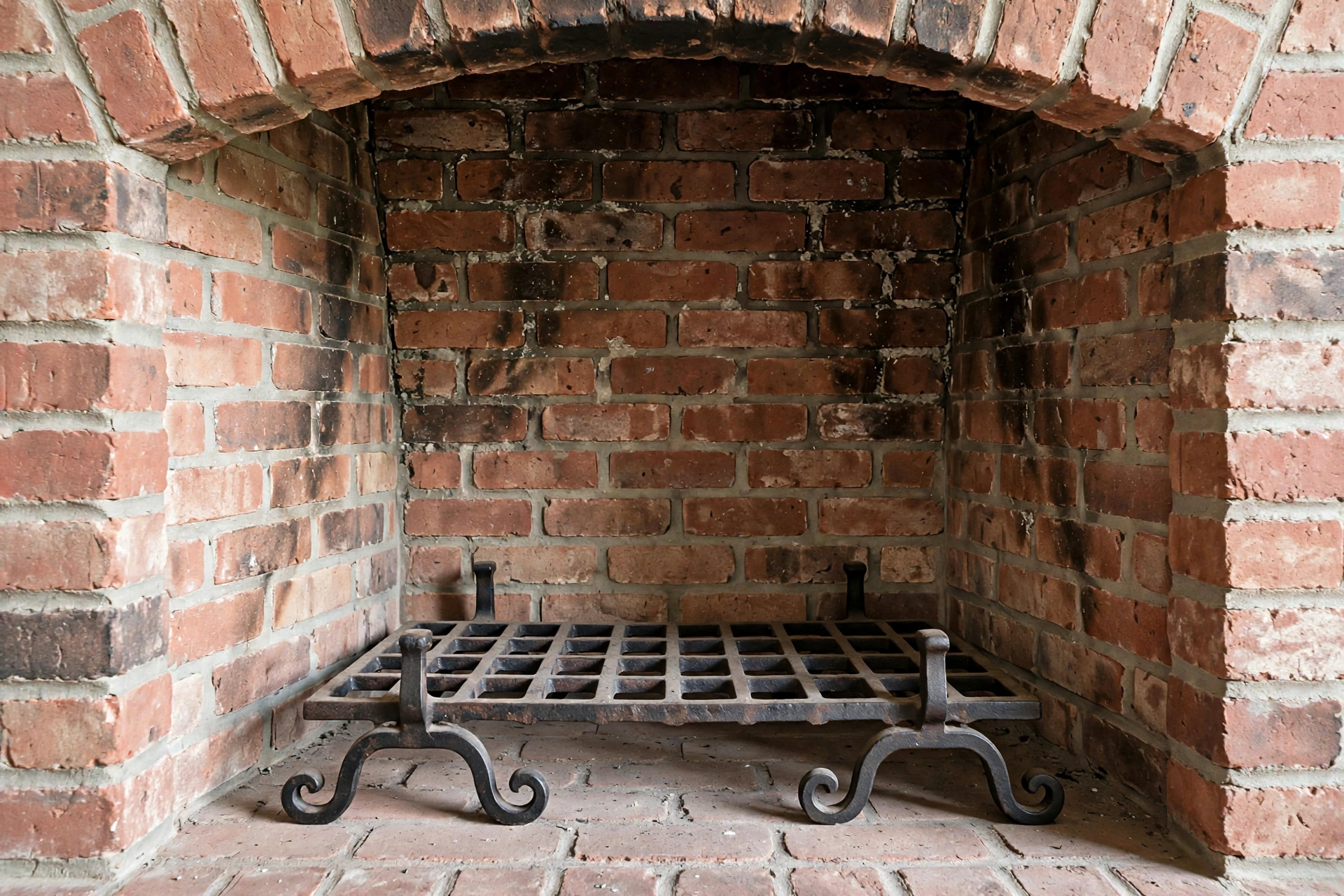
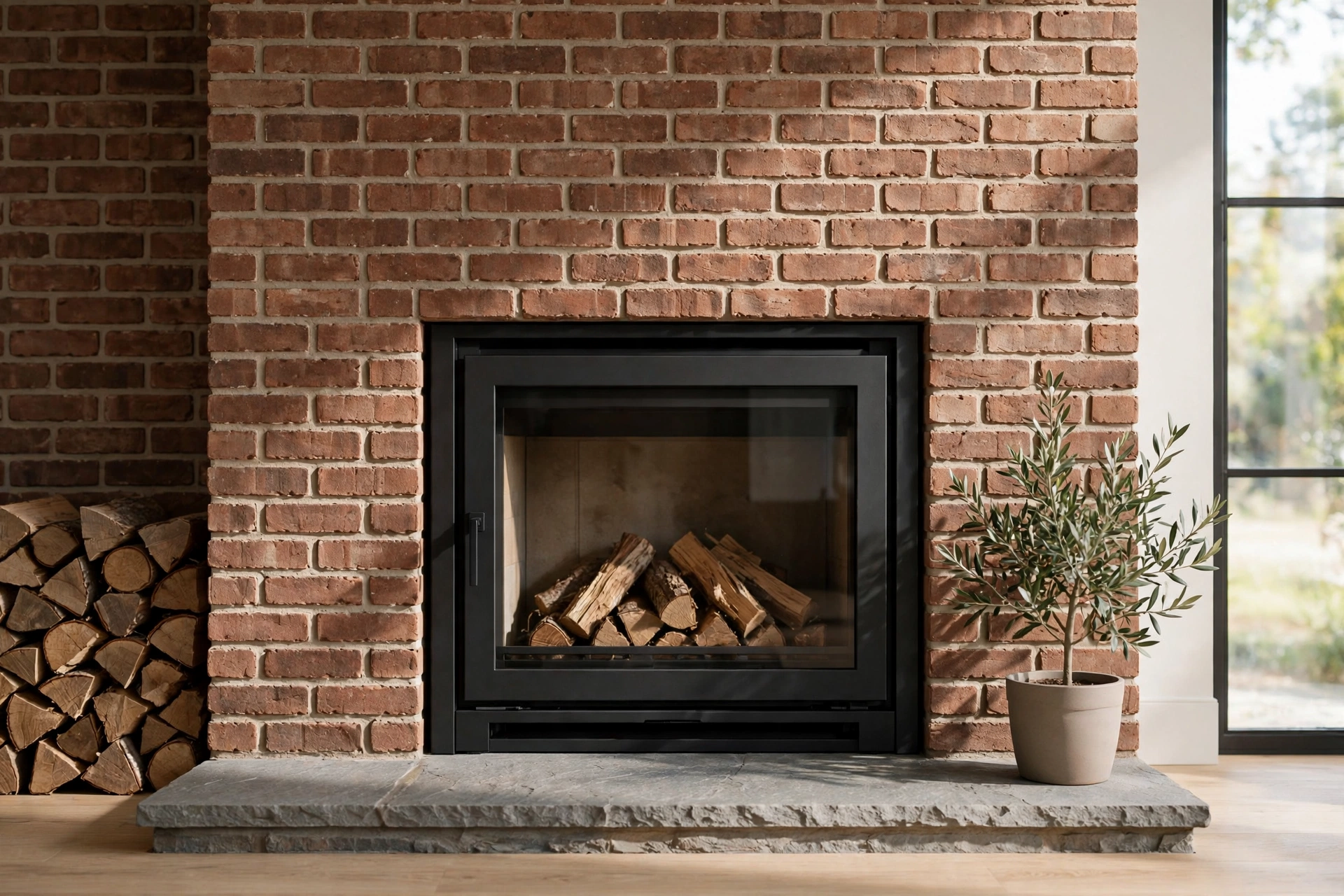
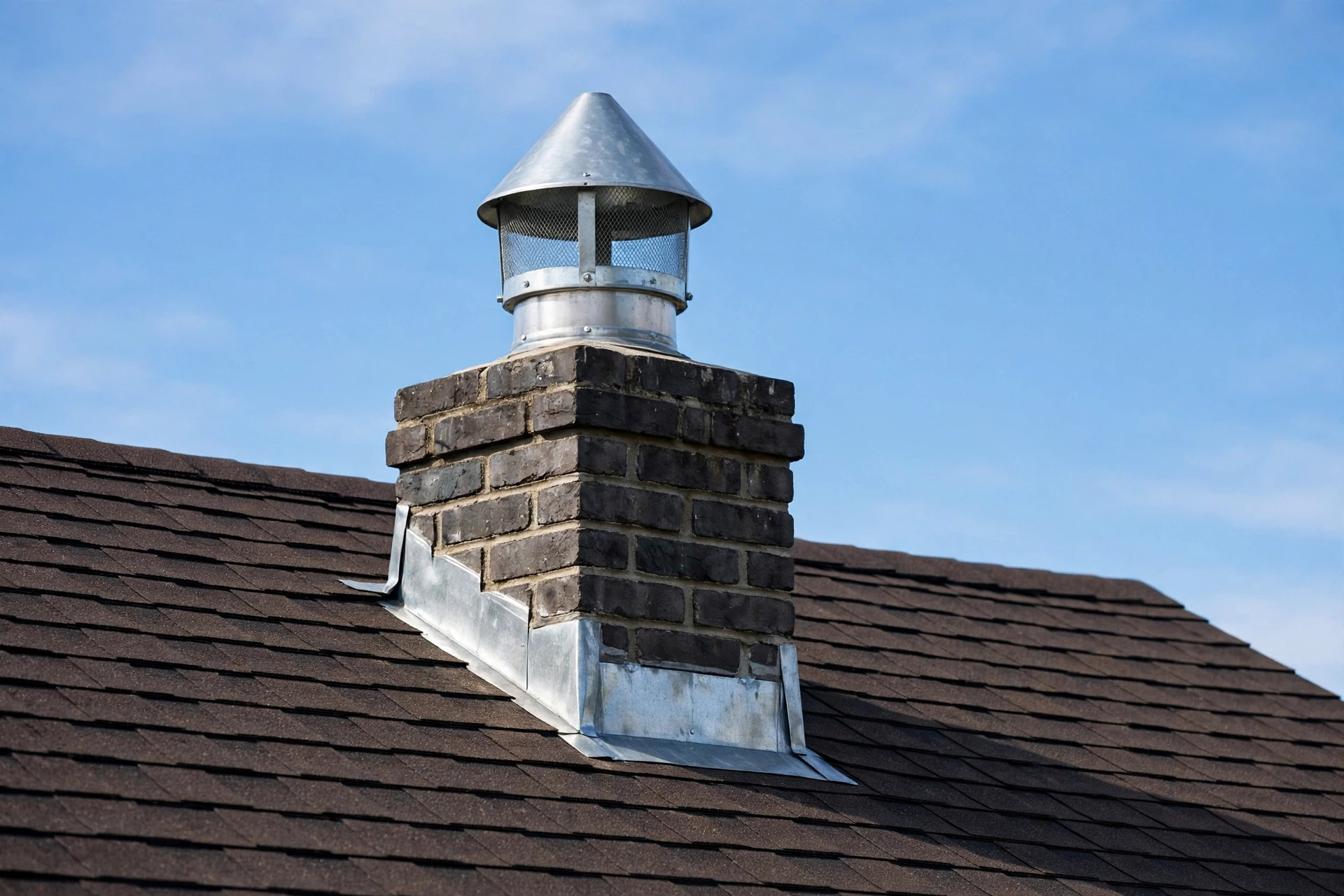
Housing Stock & Fireplace Types in North Prairie
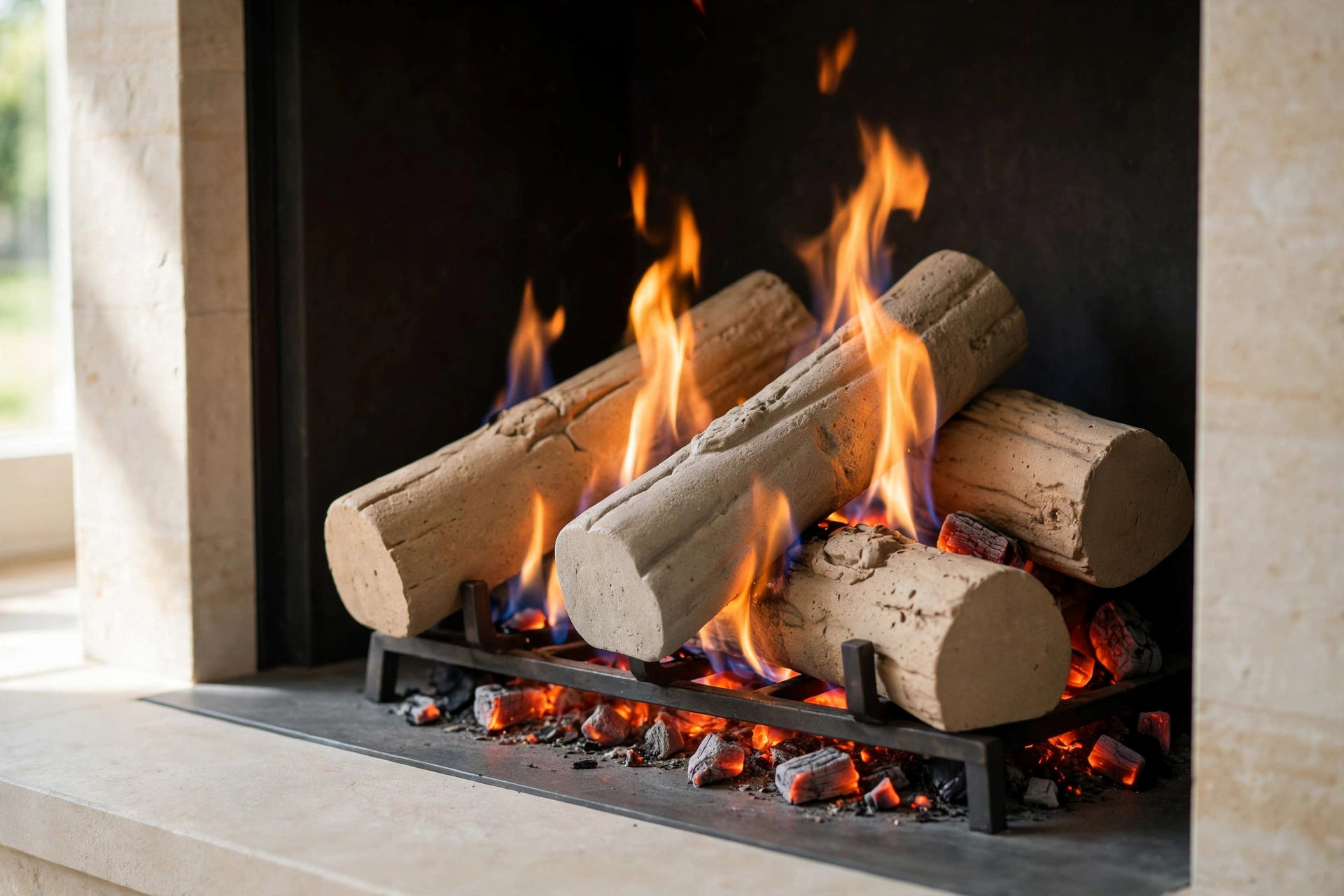
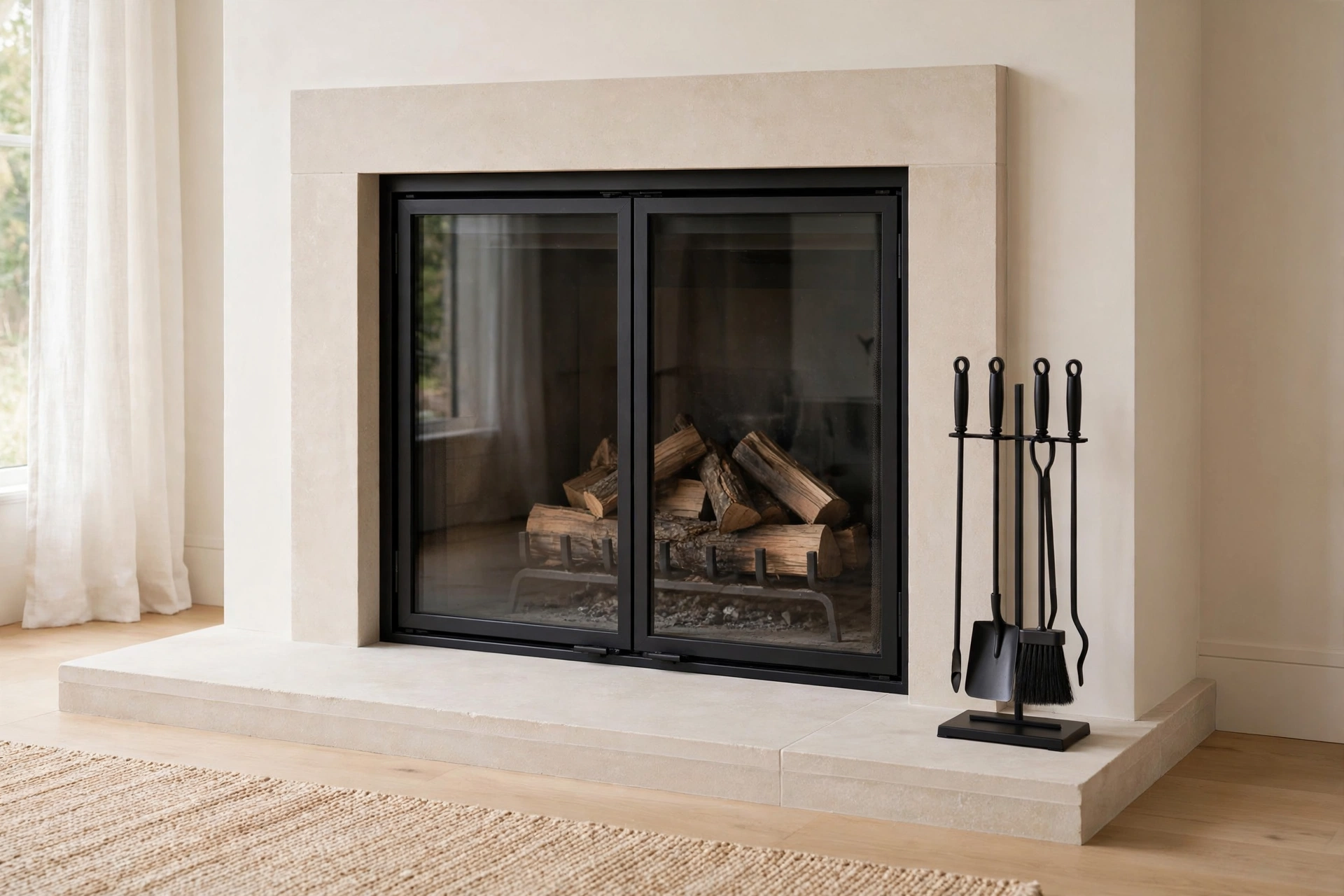
Builder-grade gas fireplaces dominate North Prairie's post-2000 homes. These are sealed direct-vent units — a closed firebox with glass, vented horizontally through an exterior wall — installed as standard equipment in new traditional and Craftsman floor plans. They look clean and they're efficient, but after 15 to 25 years these builder-grade units are now entering their repair years.
What we typically find in North Prairie homes:
- Continuous-pilot gas fireplaces (older builds) — a standing pilot that can stay lit all winter, with a thermocouple safety sensor and a thermopile that powers the main gas valve.
- Electronic-ignition gas fireplaces (newer builds) — no standing pilot; the unit sparks to life on demand. Different failure modes, different parts.
A smaller number of homes carry wood-burning inserts or pellet stoves as supplemental heat, but gas direct-vent is the neighborhood's dominant fireplace.
Common Fireplace Problems We See in North Prairie
"The pilot won't stay lit."
The #1 gas fireplace call. The usual causes: a weak or dirty thermocouple (the safety sensor that holds the gas valve open), a clogged pilot orifice, a weak thermopile, or a downdraft blowing the pilot out. The classic October failure: first firing after months idle, with dust and spider webs clogging the pilot tube. Our gas fireplace repair service covers the full pilot and ignition system.
"The pilot is on but the fireplace won't turn on."
Usually the thermopile isn't generating enough millivolts to open the main gas valve — or the wall switch, remote batteries, or wiring has failed. We check thermopile voltage before replacing anything.
"It lights, then shuts off after a few minutes."
Thermocouple cooling, thermopile fade under load, or heat-related shutdown. On units with electronic ignition, a failed igniter or control board is the equivalent failure.
Builder-grade units aging out
Valves wear, gaskets shrink, glass gaskets leak, and burners corrode. A ~15-year-old insert with a dead control unit and worn valve is a routine repair, not a replacement verdict — we diagnose first and replace only what the unit needs.
Glass fogging and sooting
Glass that keeps turning black usually means improper log placement or restricted airflow — fixable with a service visit rather than a new unit.
Our Fireplace Repair Process
Every visit follows the same troubleshoot-first method: investigate, isolate, then replace — never throw parts at a problem blindly.
Inspection
We test the full gas train: pilot assembly, thermocouple/thermopile output in millivolts, burner condition, ignition system, wall switch and remote circuit, glass and gasket condition, and vent termination outside the house.
Diagnosis in plain English
We show you what's wrong and lay out the options before any work starts — cleaning versus part replacement, with honest answers about which one your unit actually needs.
Repair
Thermocouples, thermopiles, gas valves, igniters, control modules, burners, glass gaskets — serviced to the condition of the unit.
Safety check
We verify the fireplace drafts properly, the glass seals, safety devices work, and nothing has been bypassed. Annual inspection per NFPA 211 is the standard we work to. Because most North Prairie units are direct-vent, we also check the exterior vent termination — nests, debris, and landscaping that grew up around it over summer can all choke the vent and cause shutdowns.
Fireplace acting up? Talk to someone who fixes them every day.
Call +1 (208) 668-8111Fireplace Prevention Tips for North Prairie Homeowners
Book a fall tune-up September through October
You'll beat the rush, and the entire October "won't start" spike — dead pilots, clogged orifices, dead remote batteries — is preventable with a pre-season visit. A fall chimney sweep and inspection covers gas units too, not just wood chimneys. - Know which ignition you have. Continuous-pilot units are designed to leave the pilot on all winter — it prevents moisture buildup and keeps insects out of the pilot tubing. Electronic-ignition units have no standing pilot at all. We can tell you which one you own at the first visit. - Change remote batteries every fall. The simplest "repair" of the season is a fresh set of batteries. - Don't ignore the fall smell — briefly. Dust burning off the burner and logs on first use is normal and should fade within an hour or two. But a gas (rotten egg) odor means turn the fireplace off, leave the house, and call your gas utility — and a persistent smoke or chemical smell needs a professional visit. - Keep the exterior vent clear. Trim landscaping back from the vent termination and check for nests before the heating season.
Frequently Asked Questions
Is it safe to leave my gas fireplace pilot on all winter?
Yes — continuous-pilot fireplaces are designed for it, and it helps prevent moisture buildup and keeps insects out of the pilot tubing. It does use a small amount of gas. If you have electronic ignition instead, there is no standing pilot at all.
Why won't my gas fireplace pilot stay lit?
The most common causes are a weak or dirty thermocouple (the safety sensor that keeps the gas valve open), a clogged pilot orifice, or a weak thermopile. Dust and spider webs from months of summer disuse are frequent culprits at season startup.
The pilot is lit but the fireplace won't turn on. Why?
Usually the thermopile isn't generating enough power to open the main gas valve, or the wall switch, remote batteries, or wiring has failed. The gas valve itself can also fail — we test voltage before replacing anything.
Why does my fireplace smell when I first use it in the fall?
Usually dust burning off the burner and logs — it should fade within an hour or two. If you smell gas (rotten egg odor), turn the fireplace off, leave the house, and call your gas utility. A persistent smoke or chemical smell needs professional attention.
When is the best time to schedule fireplace service in North Prairie?
September through October — before the heating season starts and before the fall rush. Annual inspection per NFPA 211 applies to gas units as well as wood, and a fall tune-up is the service homeowners actually search for September through November.
---
North Prairie's gas fireplaces are dependable units — they just need pre-season attention as they age into their repair years. FireFix serves North Prairie from 555 N Syringa St, Post Falls, ID 83854. Call +1 (208) 668-8111 to schedule your fall tune-up or repair.
Serving North Prairie
FireFix serves North Prairie and the surrounding Post Falls neighborhoods with fireplace repair, inspection, and maintenance.
Fireplace trouble? Call FireFix.
Fireplace repair, inspection, and maintenance across Post Falls, Idaho — diagnosed properly, explained plainly, fixed right.