Fireplace Maintenance Post Falls, Idaho — FireFix
!Fall fireplace tune-up
- +1 (208) 668-8111
- Post Falls, Idaho
- Troubleshoot-first diagnosis
A fireplace that runs six months straight through a North Idaho winter earns its annual service. Dust settles in pilot tubes over summer, thermopiles weaken, remote batteries die, dampers rust, gaskets harden, and creosote builds in the flue — and every one of those shows up as an October startup failure if it isn't caught first. The October rush of "it won't light" calls is almost entirely preventable.
FireFix performs annual fall tune-ups for gas and wood fireplaces throughout Post Falls, Idaho — cleaning, inspection, and adjustment in a single visit, done in September or October before the heating season starts. One visit, winter handled. Call +1 (208) 668-8111 to get on the fall schedule.
The Annual Fall Tune-Up: Gas Fireplaces
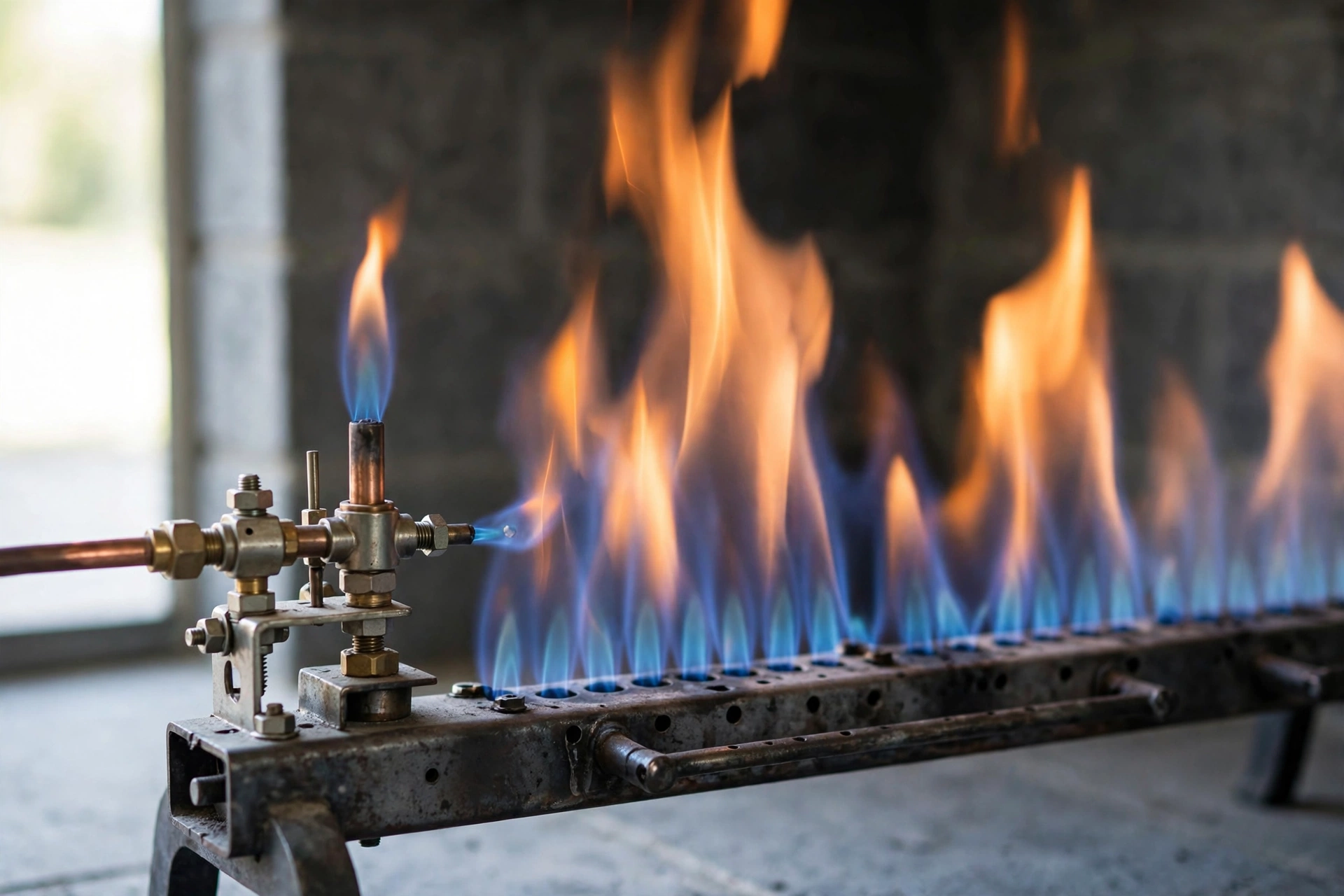
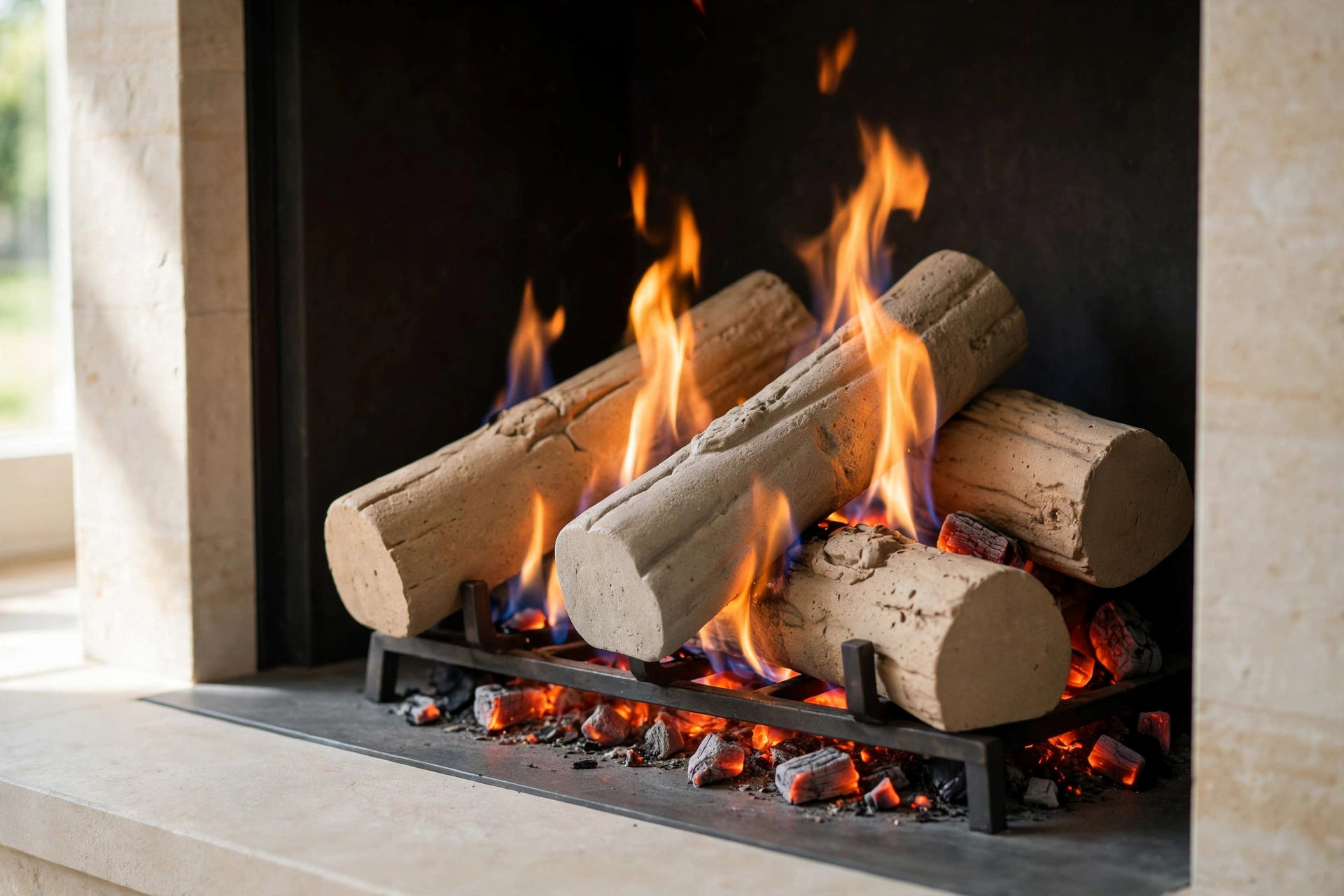
A gas fireplace tune-up is a full systems check before the season. We clean the pilot assembly and orifice — the number one cause of October "won't stay lit" calls — and test thermocouple and thermopile voltage with a meter so we catch weak parts before they fail in January. We inspect the burner for clogged ports, verify log placement against the manufacturer's layout (displaced logs cause sooting), and clean the glass from the inside.
We check the gas valve operation, verify the vent termination outside is clear of nests and debris, and test every control: wall switch, remote, receiver batteries, and thermostat if you have one. Electronic-ignition units get their igniter and backup batteries checked. Then we fire the unit and watch a full cycle — ignition, steady flame, shutoff — so you know it's ready. This is also when we flag anything bigger: a failing valve, a venting concern, a unit that's due for a deeper look. Most fall tune-ups end with a clean bill of health and a fireplace that lights on the first try all winter.
The Annual Fall Tune-Up: Wood Fireplaces and Inserts
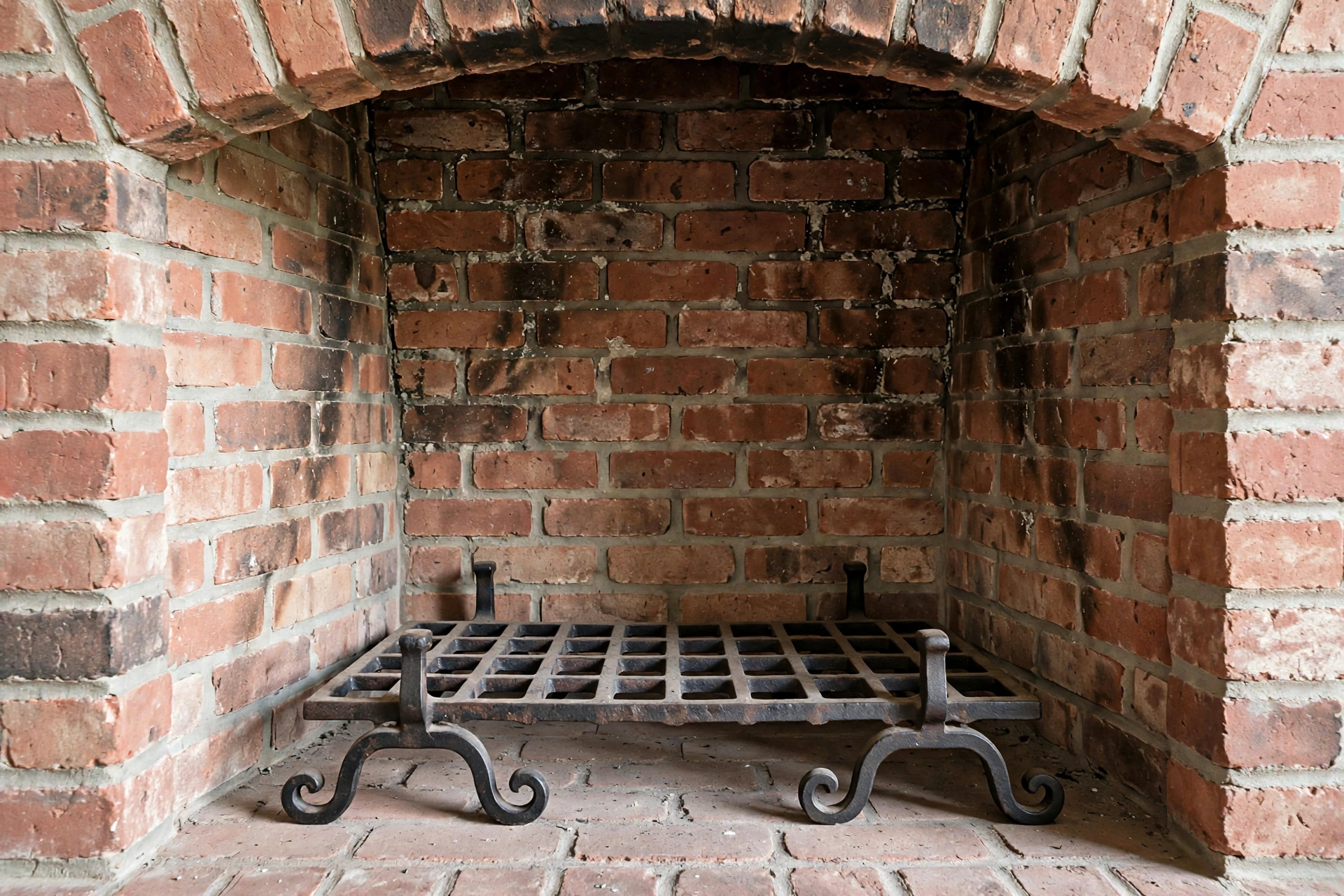
Wood units need the same fall visit with a different checklist. We sweep the flue when creosote hits the 1/8-inch threshold — and with North Idaho's long heating season, regular burners often reach it every year. We inspect the liner for cracks, check the damper for rust and operation, and examine the firebox mortar for joints that opened up over the summer.
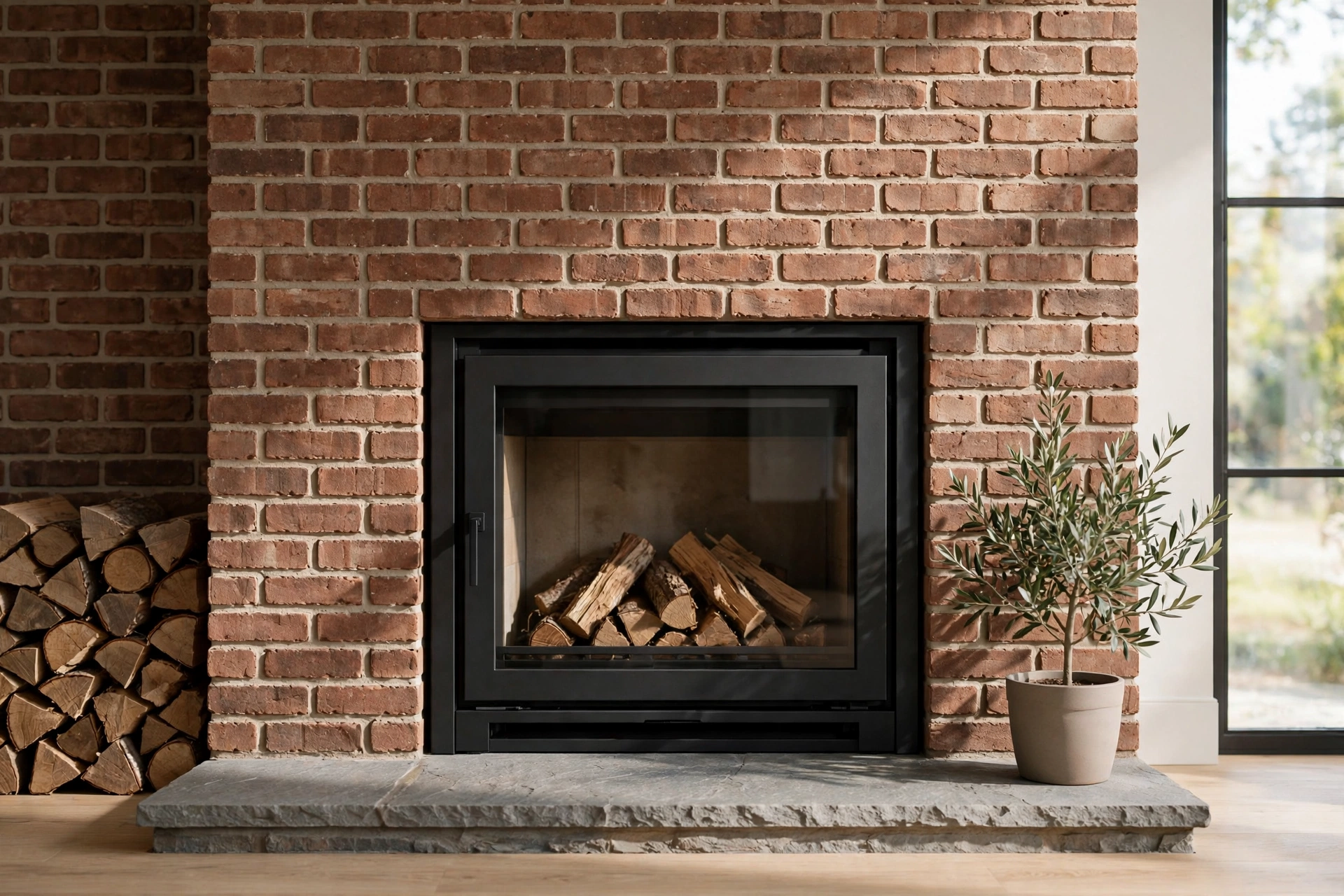
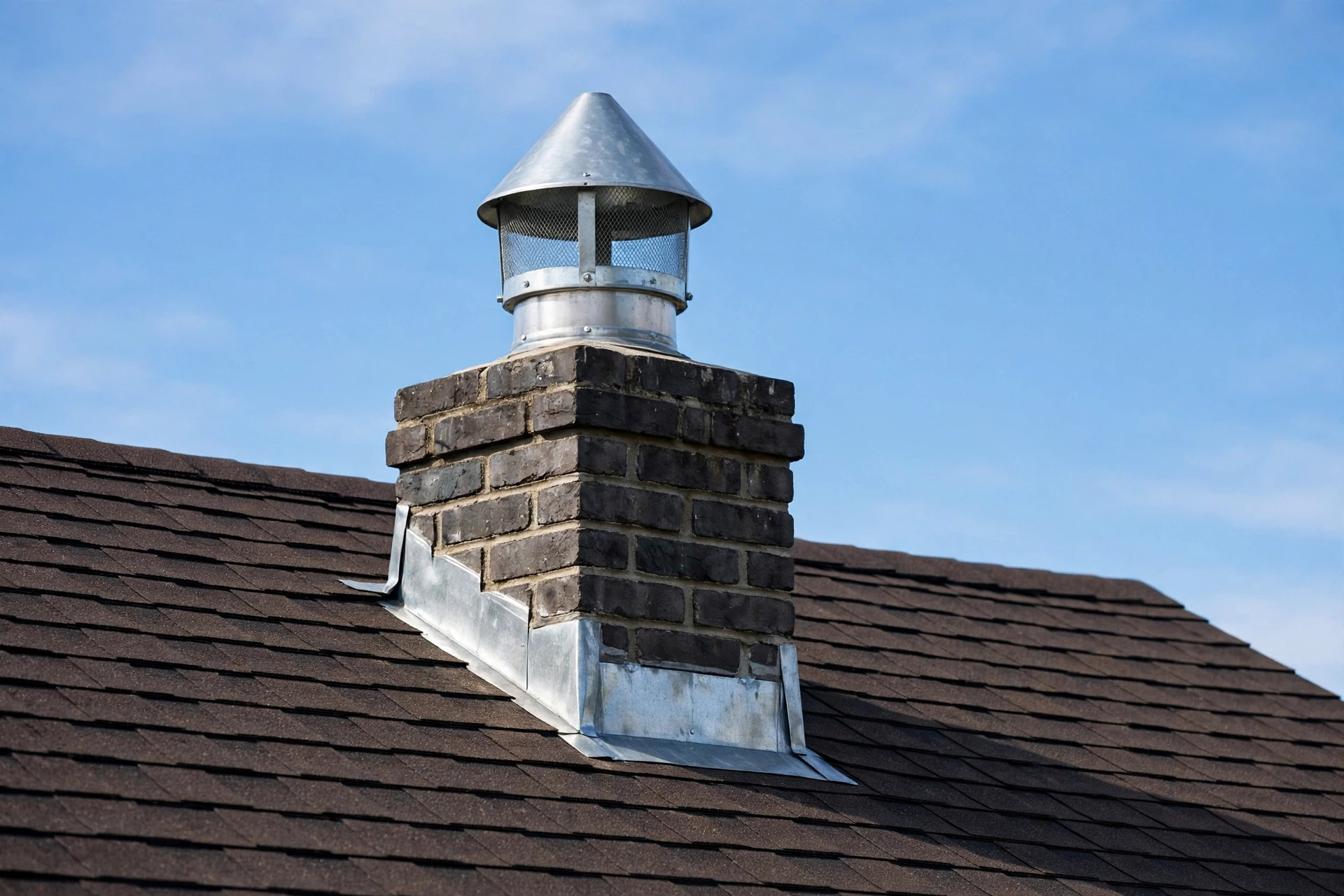
On wood inserts, we check the door gasket — a hardened gasket lets the insert overfire and wastes heat up the chimney — inspect the glass and air-wash system, and look at the catalytic combustor if the unit has one. Pellet inserts get the igniter, auger, and sensors checked and ash cleared from the venting. We also look at the chimney from outside: cap condition, crown cracks, and any new spalling or efflorescence the freeze-thaw cycle started. Catching a hairline crown crack in September is a small repair; finding it in January is a winter-long water problem.
Glass, Gaskets, and Seals
These are the wear parts that quietly degrade performance. Gas fireplace glass fogs and films over from the inside — we clean it with fireplace-rated products (never abrasives, which scratch the ceramic glass and make future fogging worse). Wood insert glass gets checked for cracks and the air-wash ports cleared so the glass stays cleaner through the season.
Gaskets are the bigger deal. The door gasket on a wood or pellet insert is what controls the air supply — when it hardens, crumbles, or pulls away, the unit burns too fast, too hot, and inefficiently. We test gaskets with the dollar-bill test (close the door on a bill; if it slides out easily, the seal is gone) and replace them when they fail. Gas units have their own seals around the glass frame that keep the sealed combustion chamber sealed — we check those too. These are small parts with outsized effects, and fall is when to replace them.
Fireplace acting up? Talk to someone who fixes them every day.
Call +1 (208) 668-8111Pilot Assemblies, Dampers, and Detectors
The pilot assembly gets its own attention because it's the heart of every standing-pilot gas unit. We disassemble, clean, and inspect the pilot hood, orifice, thermocouple, and thermopile — then test voltages to confirm the safety circuit will hold the gas valve open reliably all season. A pilot serviced in September is a pilot that doesn't strand you in January.
Dampers on wood fireplaces get cleaned, lubricated, and tested — a damper that won't close is a 24/7 heat leak up the chimney all winter, and a damper that won't open is a smoke-filled living room. And while we're there, we remind every homeowner about detectors: working smoke detectors and a carbon monoxide detector on every level, with fresh batteries, are the non-negotiable companions to any fuel-burning appliance. Test them when you schedule your tune-up — it takes two minutes.
More Fireplace Services
Frequently Asked Questions
How often should I have my fireplace serviced?
Once a year, before the heating season — September through October in Post Falls. NFPA 211 calls for annual inspection of all chimneys, fireplaces, and vents, and a tune-up visit covers both inspection and maintenance in one trip.
What's included in a fall tune-up?
For gas: pilot cleaning, thermocouple/thermopile testing, burner and glass cleaning, log placement check, gas valve and venting check, and control testing. For wood: sweeping as needed, liner and damper inspection, firebox check, and gasket/glass service on inserts. Both end with a full test fire.
Why does my fireplace always fail in October?
Because it sat idle all summer. Dust and spiders clog pilot tubes, thermopiles weaken, batteries die, and dampers rust — then the first cold snap exposes all of it at once. A September tune-up finds every one of these before you need the heat.
Should I leave my gas fireplace pilot on all winter?
Yes — continuous-pilot fireplaces are designed for it, and it helps prevent moisture buildup and keeps insects out of the pilot tubing. It does use a small amount of gas. Electronic-ignition units have no standing pilot at all.
Do I need to service a fireplace I rarely use?
Yes — annual inspection still applies. Idle fireplaces develop their own problems (rusted dampers, animal nests in the flue, cracked crowns from freeze-thaw), and you want to find those before you light the holiday fire, not during it.
When should I schedule my tune-up in Post Falls?
September through mid-October. You'll beat the fall rush, and if the visit turns up a repair — especially masonry work that needs temperatures above 40–50°F to cure — there's still time to get it done before winter.
One visit in the fall beats a cold house in January. Schedule your fireplace tune-up with FireFix at +1 (208) 668-8111.
Fireplace trouble? Call FireFix.
Fireplace repair, inspection, and maintenance across Post Falls, Idaho — diagnosed properly, explained plainly, fixed right.